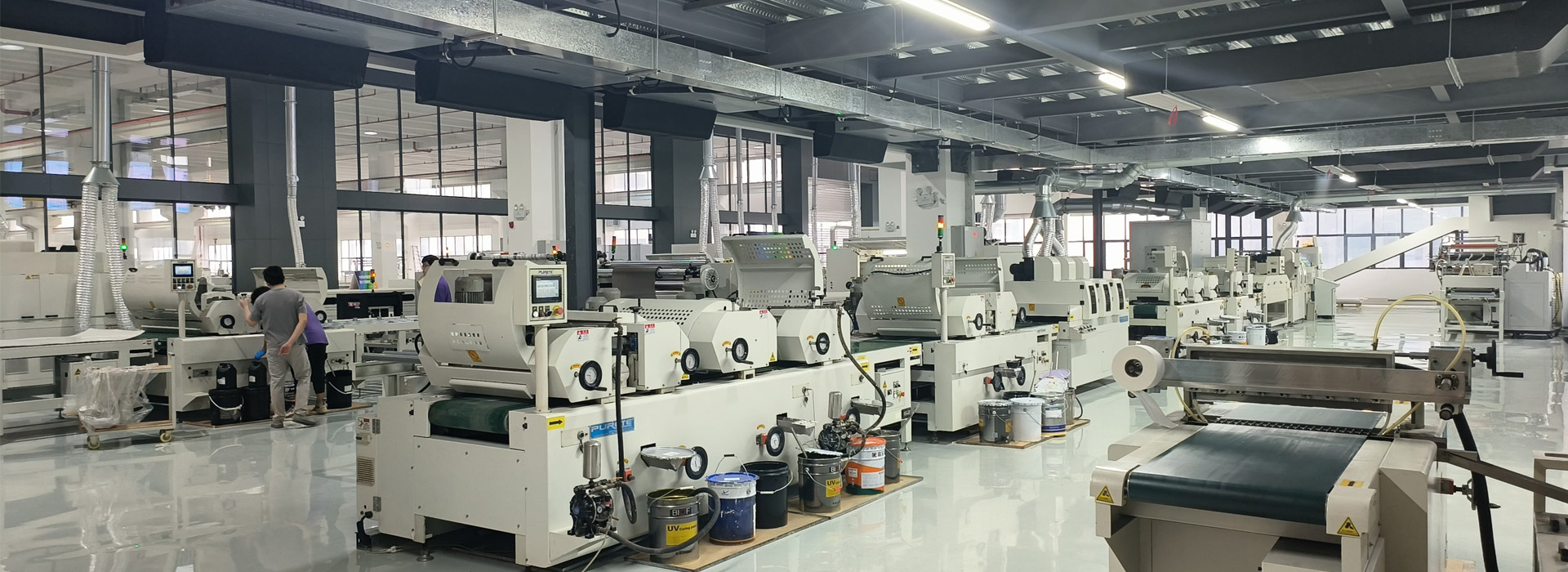
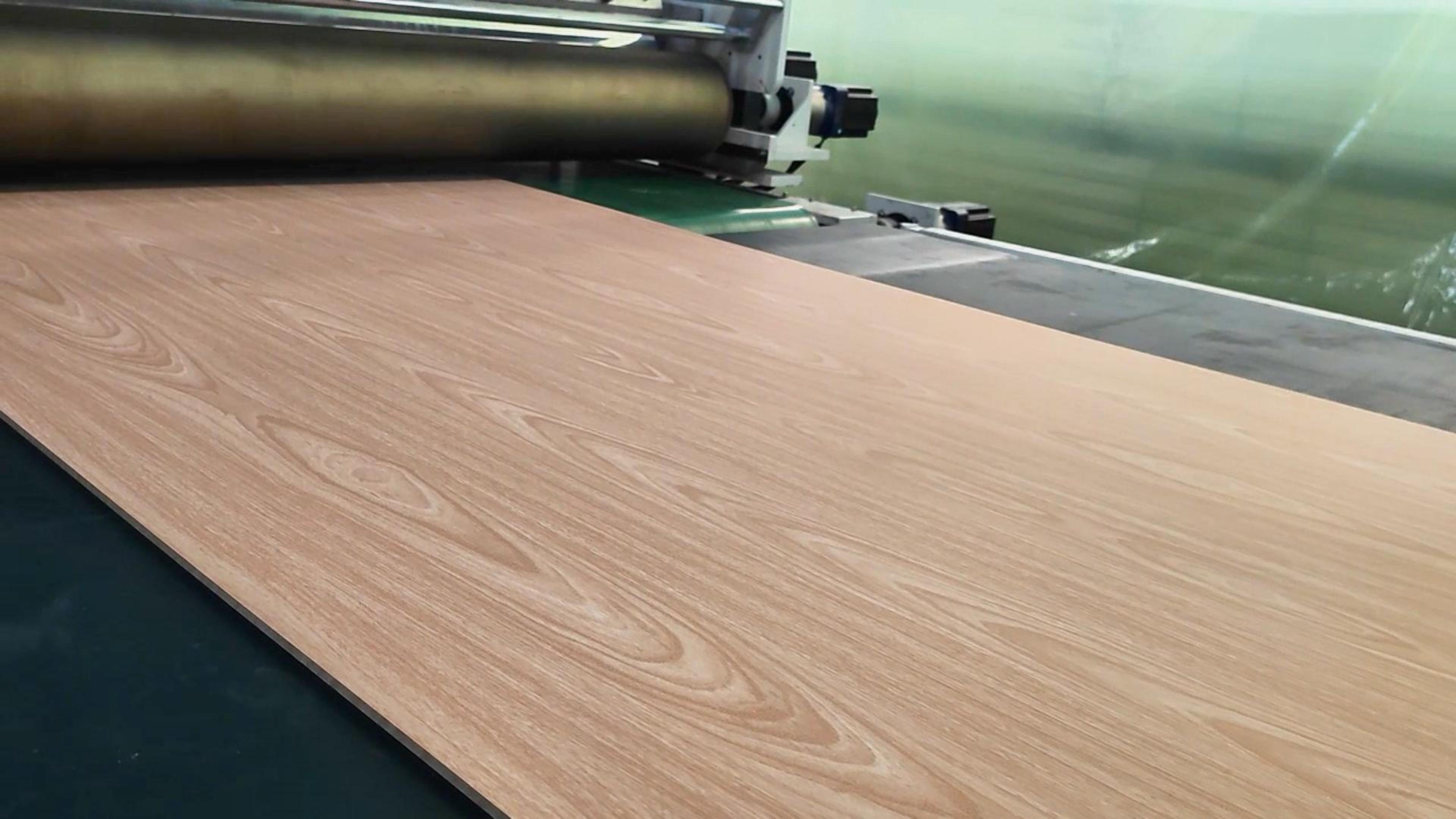
SARL SOGIDIS (Algeria) Adopts PURETE Automated Roller Coating Line for High-Volume Two-Tone MDF Finishing
1. Client Overview & Challenge
SARL SOGIDIS, a leading wood importer and processor in Algeria, specializes in manufacturing high-quality wood-based panels for furniture, cabinetry, and architectural decoration. Prior to upgrading, the company relied on traditional manual brushing/painting methods, which created three critical pain points:
- Low Efficiency: Labor-intensive, multi-step painting processes limited daily output to just 300 panels (1220×2440mm), failing to meet growing market demand.
- Inconsistent Quality: Manual application led to uneven film thickness, color variation, and poor scratch resistance, undermining product value.
- Unsafe & Unstable Environment: High VOC emissions from solvent-based paints created harsh working conditions, while material waste drove up operational costs.
To resolve these issues and scale production, SARL SOGIDIS partnered with PURETE to deploy a fully automated two-tone roller coating line tailored to their MDF and multi-substrate finishing needs.
2. Solution: PURETE Automated Two-Tone Roller Coating Line
The custom-configured line features a robust, high-precision design optimized for large-format panels, combining mechanical stability, automation, and eco-friendly coating compatibility.
Core Technical Specifications
| Parameter | Specification |
|---|
| Total Line Length | 54,000 mm |
| Max Panel Size | 1220 × 2440 mm (standard MDF/large-format boards) |
| Daily Production Capacity | Upgraded from 300 → 800 panels/8-hour shift |
| Line Structure | 18mm thick steel welded frame for extreme stability |
| Drive System | Siemens high-efficiency motors paired with RV/hyperbolic gear reducers |
| Key Components | Automated loading/unloading station, brush cleaner, double roller coaters, IR preheating, UV curing tunnels, air knife cleaning, turnover conveyor, dual-station unloading system |
| Compatible Coatings | UV coatings, water-based UV, water-based paints, EB coatings, PU coatings |
| Supported Substrates | MDF, OSB, gypsum board, calcium silicate board, magnesium oxide board, honeycomb panels, metal sheets |
| Surface Finishes | Clear coats (to showcase wood grain), solid color paints; full/half/open pore finishes; matte, semi-gloss, and high-gloss effects |
3. Key Advantages & Performance Improvements
🔹 Dramatic Efficiency Boost
The continuous, automated workflow eliminates manual bottlenecks, increasing daily output by 167% (from 300 to 800 panels). The integrated IR and UV curing modules enable in-line drying, cutting production lead times from days to hours.
🔹 Precision & Uniformity in Every Coat
- Dual roller coaters deliver ±0.02mm control over coating thickness, ensuring 100% consistent color, film depth, and gloss across all panels.
- The line supports simultaneous base and top coat application with perfect separation, enabling high-quality two-tone finishes in a single pass.
- Finished surfaces boast superior scratch and abrasion resistance, meeting the strictest quality standards for furniture and architectural applications.
🔹 Significant Cost & Labor Savings
- Reduces labor requirements by over 60% (only 3–5 operators needed for the full line).
- Minimizes coating waste by up to 30% compared to traditional methods, lowering raw material costs.
- Eliminates rework from uneven application, reducing material and time waste.
🔹 Eco-Friendly & Safe Production
Compatible with water-based and low-VOC UV coatings, the line meets Algerian and international green production standards, improving workplace safety while reducing environmental impact.
🔹 Built for Long-Term Stability
- 18mm steel welded structure with cast iron integrated bases ensures zero vibration during continuous operation.
- 2.5T load-bearing lifting seats maintain precision under full load, while Siemens motors deliver reliable performance in high-demand environments.
4. Results & Future Outlook
Since deployment, the PURETE line has transformed SARL SOGIDIS’s production capabilities:
- Scaled high-quality panel output to meet rising demand from Algerian furniture manufacturers and construction projects.
- Elevated product quality to compete in premium markets, with consistent finishes that meet global standards.
- Reduced operational costs while creating a safer, more sustainable workplace.
SARL SOGIDIS now looks to expand its product range with new finishes and substrate options, leveraging the line’s flexibility to serve more customers and drive innovation in Algeria’s wood processing industry.