Automotive Floor Film Lamination Solution | PURETE
Introduction
Can automotive floor panels be laminated using a flat laminating production line? The answer is yes. In fact, from a technical perspective, automotive floor film lamination is essentially an extension of flat panel lamination technology into automotive interior manufacturing.
This article explains the application from four perspectives: why automotive floors require film lamination, the challenges of conventional lamination technologies, why flat laminating lines are suitable for this application, and why manufacturers choose PURETE. Frequently asked questions are also included.
1. Why Do Automotive Floors Require Film Lamination?
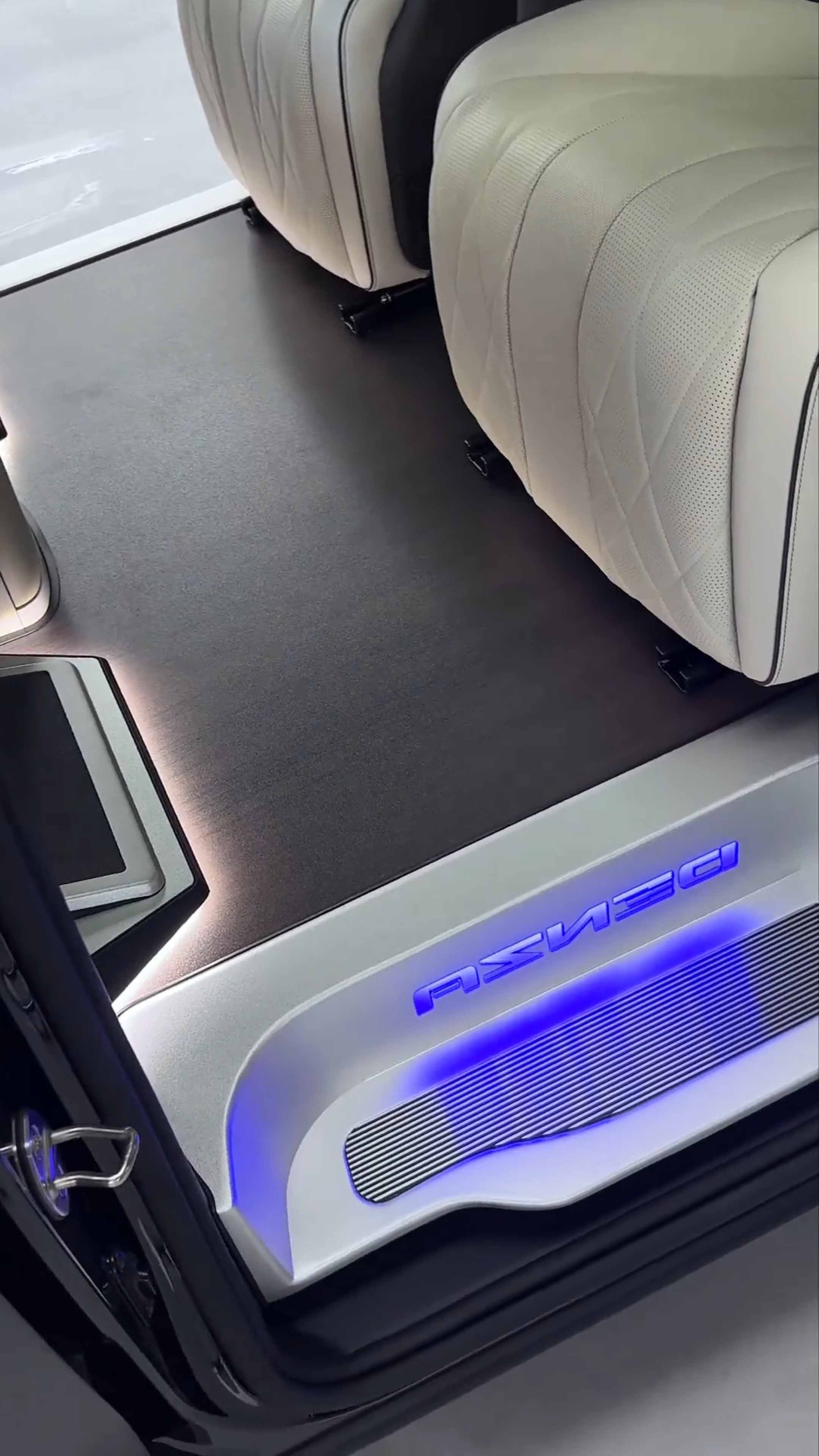
Automotive flooring, including door sills, trunk floors, carpeted areas, and other high-traffic surfaces, is continuously exposed to abrasion and scratches caused by sand, gravel, muddy shoes, pet claws, and heavy objects. Once the original floor panels or carpets become damaged, restoring their original appearance can be difficult.
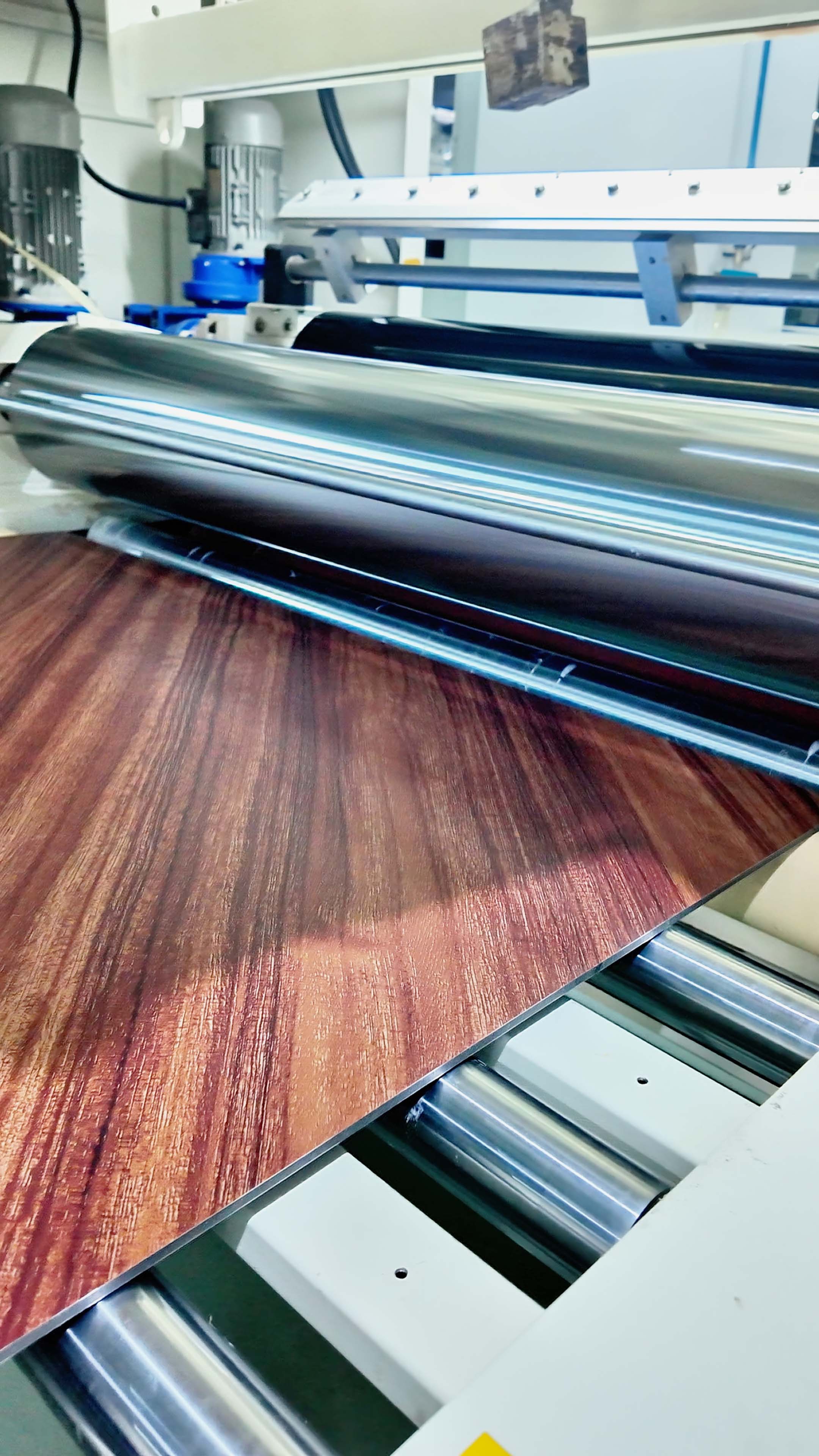
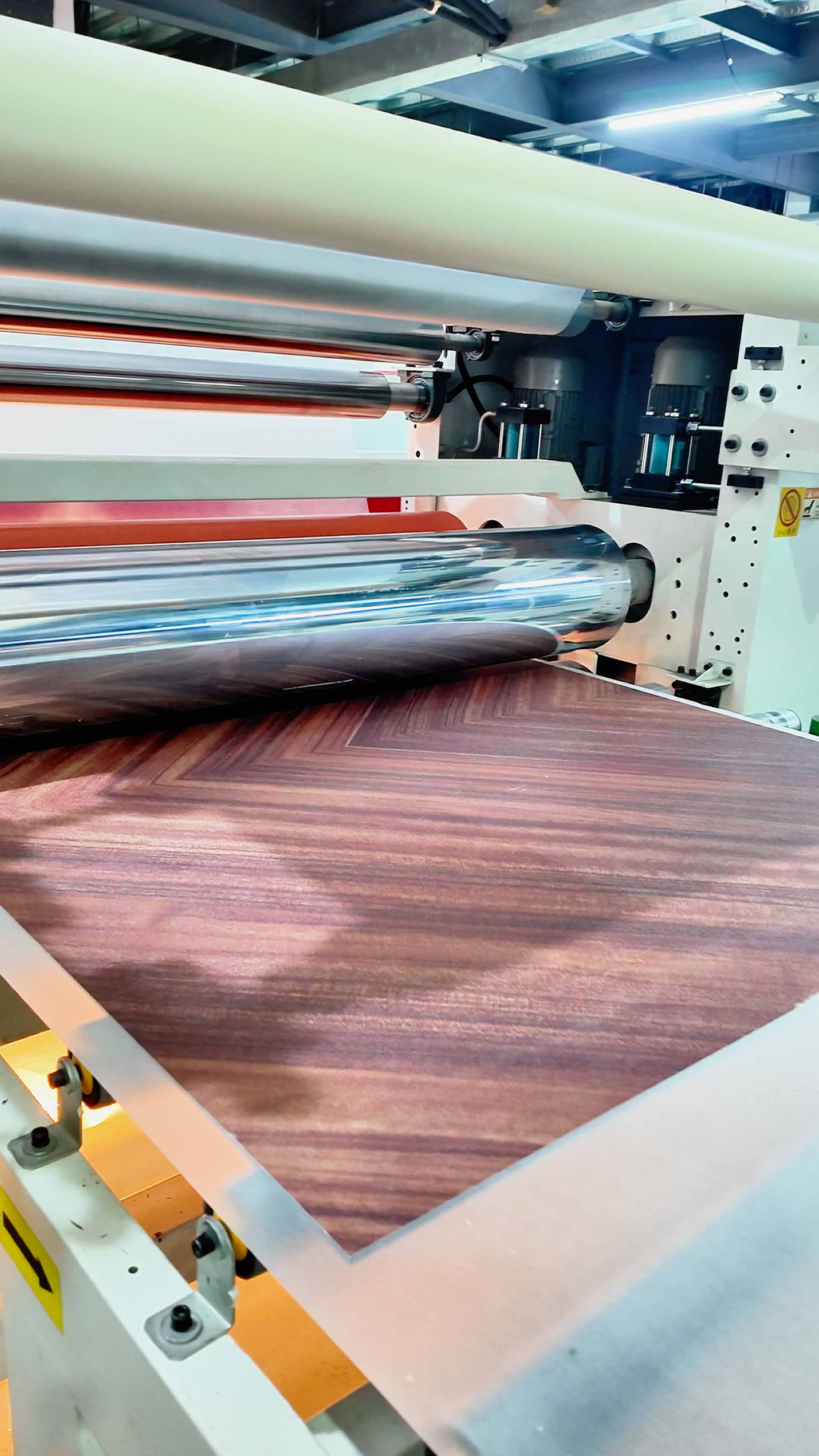
Applying a specialized decorative film to automotive floor panels involves bonding wear-resistant and stain-resistant materials to the substrate through adhesive application, heating, lamination, and pressing.
The main benefits can be summarized in four key aspects:
1. Scratch and Wear Resistance
The laminated film surface is designed to withstand daily foot traffic and friction caused by moving objects. It helps protect the underlying floor panels from permanent scratches caused by keys, luggage wheels, and other hard objects.
2. Stain Resistance and Easy Cleaning
Water, oil, mud, and other contaminants can be wiped away from the film surface more easily, reducing the risk of liquids penetrating carpet fibers and causing mold or unpleasant odors.
3. Improved Slip Resistance
Textured film surfaces increase friction between footwear, objects, and the floor. This helps reduce the risk of floor mats and cargo sliding during sudden braking.
4. Enhanced Appearance and Design Flexibility
Decorative films are available in various finishes, including wood grain, leather-like textures, and multicolor designs. Compared with conventional gray automotive carpets, laminated floor panels can provide a more premium appearance while being easier to maintain.
For new energy vehicles (NEVs), thermal management is particularly important. Compared with traditional carpeting, certain floor panel constructions may offer improved heat dissipation, depending on the materials and overall floor structure.
2. What Are the Main Challenges of Conventional Automotive Floor Lamination Technologies?
Traditional film application and manual wrapping processes often produce inconsistent results.
The most common problems involve blistering, delamination, and volatile organic compound (VOC) emissions.
2.1 Blistering and Air Bubbles
Insufficient bonding strength, trapped air, or moisture within the adhesive layer can cause bubbles to form beneath the laminated film.
As these bubbles expand, they may lead to surface blistering, edge lifting, or complete delamination of the decorative film.
These defects negatively affect both the appearance and durability of automotive floor panels.
2.2 Poor High-Temperature Resistance
Some conventional lamination processes use ordinary hot-melt adhesives or solvent-based adhesives that may not provide sufficient stability under extreme temperature conditions.
During summer, high temperatures inside vehicles exposed to direct sunlight may cause unsuitable adhesives to soften, bleed, or lose bonding strength.
In winter, low temperatures may cause certain adhesive systems to become brittle.
Automotive interior components must withstand significant temperature variations, making adhesive selection and thermal stability critical factors in achieving reliable lamination performance.
2.3 Unpleasant Odors and VOC Emissions
Solvent-based adhesives rely on the evaporation of organic solvents during the curing process.
These solvents may include toluene, xylene, ethyl acetate, and other volatile organic compounds.
Residual VOCs can produce unpleasant odors and may pose health concerns, making emissions control an important requirement for automotive interior materials.
Automotive manufacturers therefore place strict requirements on interior material odors, VOC emissions, and environmental performance.
3. Can Automotive Floor Panels Be Laminated Using a Flat Laminating Production Line?
Yes. Flat laminating production lines are highly suitable for automotive floor panel lamination applications.
A flat laminating line, also known as a Sheet Laminating Line or Flat Panel Laminating Line, is designed to bond decorative paper, films, and other surface materials onto flat substrates.
In the laminating industry, flat lamination generally refers to applying decorative materials to one surface of a flat panel.
Automotive floor panels are typically large, relatively flat components, making them well suited to flat panel lamination technology.
Unlike narrow profiles or complex shaped components that require profile wrapping equipment, flat automotive flooring substrates can be processed efficiently using a flat laminating production line.
3.1 PURETE Flat Laminating Production Process
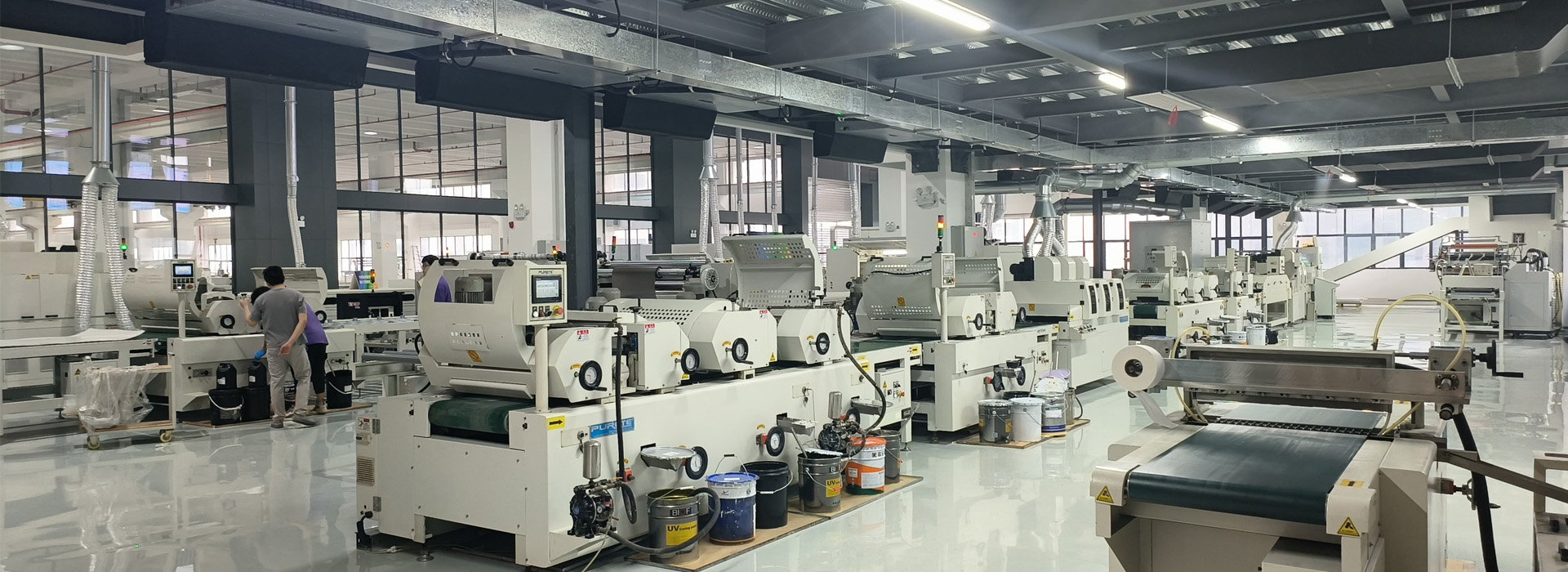
PURETE's flat laminating production line integrates multiple automated processing stages into a continuous manufacturing system.
Complete Production Process:
Gantry Loading → Dust Removal → Infrared Preheating → Adhesive Application → Sheet Lamination Heating → Press Lamination → Longitudinal Edge Trimming → Transverse Edge Trimming → Gantry Unloading
Step 1: Automatic Gantry Loading
The gantry loading system automatically transfers automotive floor substrates onto the production line, reducing manual handling and improving feeding efficiency.
Step 2: Surface Dust Removal
The dust removal system eliminates dust and surface contaminants from the substrate, helping create suitable conditions for consistent adhesive application and reliable bonding.
Step 3: Infrared Preheating
Infrared preheating is a critical yet frequently overlooked stage in the lamination process.
It increases the substrate temperature to the appropriate range for adhesive activation and bonding without changing the external appearance of the panel.
Without sufficient preheating, even high pressing pressure may not achieve reliable adhesion, potentially resulting in delamination.
Step 4: Adhesive Application
The adhesive coating system applies a controlled adhesive layer onto the substrate surface, supporting uniform bonding between the automotive floor panel and decorative film.
Step 5: Sheet Lamination Heating
The lamination heating system provides the thermal conditions required for the decorative material and adhesive system before the pressing stage.
Step 6: Press Lamination
The pressing system applies controlled pressure to bond the decorative film firmly and evenly to the automotive floor substrate.
This process helps reduce trapped air, improve surface flatness, and achieve consistent lamination quality.
Step 7: Longitudinal Edge Trimming
The longitudinal trimming system removes excess decorative film along the long edges of the laminated panel.
Step 8: Transverse Edge Trimming
The transverse trimming system completes the trimming process along the short edges, helping achieve accurate panel dimensions and clean edges.
Step 9: Automatic Gantry Unloading
The finished laminated automotive floor panels are automatically transferred from the production line for subsequent processing, inspection, or packaging.
3.2 Why Is Flat Lamination Suitable for Automotive Flooring?
By integrating substrate preheating, controlled adhesive application, lamination heating, and precision pressing, PURETE's flat laminating production line provides an efficient solution for automotive floor panel manufacturing.
The coordinated production process helps manufacturers achieve:
Uniform adhesive application and consistent bonding quality
Reduced air entrapment and surface blistering
Improved resistance to film delamination
Smooth and consistent decorative surfaces
Reduced manual handling and improved production efficiency
Stable, continuous, and automated manufacturing
With appropriately selected adhesives, decorative films, and validated processing parameters, the production line can also support the temperature resistance and VOC performance requirements of automotive interior applications.
In summary, automotive floor film lamination is a natural extension of flat panel lamination technology. PURETE's automated flat laminating production line offers manufacturers an efficient and customizable solution for producing high-quality laminated automotive flooring components.
Lamination Problems | Root Causes | Flat Lamination Solutions |
|---|
Blistering & Delamination | Trapped air in the adhesive layer / Insufficient panel temperature / Inadequate pressing pressure | Infrared preheating to increase panel temperature + Uniform adhesive application + Controlled pressing pressure to prevent air pockets and delamination |
Poor High-Temperature Resistance | Conventional hot-melt adhesives / Solvent-based adhesives soften at high temperatures | Use PUR reactive hot-melt adhesives to maintain bonding strength after curing |
Unpleasant Odor & High VOC Emissions | Organic solvent evaporation from solvent-based adhesives | Low-VOC formulation + Solvent-free PUR adhesive, designed to meet automotive interior standards |
4. Why Choose PURETE's Flat Laminating Production Line for Automotive Floor Film Lamination?
1. Application-Specific Process Optimization
PURETE's flat laminating production lines are engineered and adapted for large-format automotive interior components, including automotive floor panels.
Rather than simply applying conventional furniture laminating technology to automotive manufacturing, PURETE focuses on optimizing equipment configurations and processing parameters to meet the specific requirements of automotive interior applications.
2. Low VOC Emissions and Automotive Interior Compliance
PURETE's lamination solutions emphasize low-VOC processing, with the goal of meeting the stringent odor and volatile organic compound (VOC) emission requirements of automotive interior materials.
Compared with conventional decorative film lamination, the production process is designed with greater consideration for automotive interior environmental standards and material performance requirements.
Final compliance depends on the selected materials, adhesive formulations, and applicable testing and certification procedures.
3. Low-Odor PUR Adhesive with Excellent Temperature Resistance
PURETE's laminating solution utilizes polyurethane reactive (PUR) hot-melt adhesive technology.
Unlike conventional solvent-based adhesives, PUR reactive hot-melt adhesives cure through a chemical reaction between isocyanate groups and moisture in the surrounding environment.
Rather than relying on solvent evaporation or oven drying, the bonding process depends on properly controlled substrate temperature, ambient humidity, and adhesive application quantity.
Once fully cured, suitable PUR adhesives can provide:
Strong and durable adhesion
Good resistance to moisture and water exposure
Excellent heat and cold resistance
Low odor and reduced solvent-related VOC emissions
Reliable bonding performance under automotive interior temperature variations
These properties make PUR adhesive technology a suitable option for demanding automotive interior lamination applications, subject to material selection and process validation.
4. Functional Performance and Decorative Flexibility
Automotive floor film lamination combines functional protection with enhanced interior aesthetics.
Depending on the selected film materials and surface textures, laminated automotive flooring can offer:
Improved scratch and abrasion resistance
Enhanced stain resistance and easier cleaning
Better slip resistance through textured surfaces
Multiple decorative options, including wood grain, leather-like textures, and multicolor designs
This enables automotive manufacturers to achieve a balance between practical performance, durability, and interior design flexibility.
5. Extensive Industry Experience
Founded in 2008, PURETE has accumulated nearly two decades of experience in surface finishing, decorative panel lamination, and automated production line solutions.
With extensive experience across flat panel surface finishing and interior-related applications, PURETE provides technical support for production line configuration, adhesive selection, process optimization, equipment commissioning, and customized manufacturing requirements.
Our experience in delivering multiple industrial lamination projects enables us to support manufacturers seeking reliable and efficient automotive interior production solutions.
Frequently Asked Questions (FAQ)
Q1: Is automotive floor film lamination the same as furniture panel lamination?
Both processes are based on flat panel lamination technology. However, automotive interior applications generally have stricter requirements for VOC emissions, odor control, high- and low-temperature resistance, and long-term durability.
Therefore, conventional furniture laminating configurations should not be directly applied to automotive flooring without appropriate process optimization and material validation.
Q2: Can air bubbles still occur when laminating automotive floor panels using a flat laminating production line?
Air bubbles can occur if the lamination process is not properly controlled.
The three critical factors are infrared preheating, uniform adhesive application, and proper PUR adhesive curing.
When these parameters are correctly controlled, automated flat lamination can significantly reduce the risk of blistering and delamination compared with inconsistent manual lamination processes.
Q3: Can laminated automotive flooring withstand high temperatures? Will the film peel off during summer heat exposure?
Properly cured PUR adhesives can provide excellent resistance to both high and low temperatures, making them suitable for automotive interior applications.
According to the stated application test results, the temperature resistance range can reach -40°C to 120°C.
However, actual performance depends on the adhesive formulation, film material, substrate properties, and bonding process. The specified temperature range should be verified through application-specific testing.
Q4: Is PUR adhesive really odorless?
PUR reactive hot-melt adhesives are generally solvent-free and do not rely on organic solvent evaporation during curing.
Once properly cured, suitable PUR adhesive formulations can provide very low odor and reduced solvent-related VOC emissions compared with conventional solvent-based adhesives.
However, actual odor and emission performance depends on the adhesive formulation, processing conditions, and final material testing.
Q5: Can the decorative film design be customized?
Yes. Automotive flooring films can be customized with various decorative finishes, including:
Film specifications and surface finishes can be selected according to the vehicle model, interior design requirements, and manufacturing process compatibility.
Q6: Does PURETE have experience with automotive interior film lamination projects?
PURETE has extensive experience in flat panel lamination, decorative surface finishing, and interior-related manufacturing applications.
We have delivered multiple lamination projects and provide customized production solutions based on different substrate materials, decorative films, adhesive systems, and automation requirements.
Our technical team supports customers throughout equipment configuration, process development, installation, commissioning, and production optimization.