

Calcium Silicate Board Coating: UV Roller Coating from Sealing Primer to Final Cure
 August 31, 2026
 Hits:240second
Calcium silicate board coating is not a one-pass painting operation. Because the board surface is porous and can hold fine mineral dust, a reliable finish depends on the complete sequence: surface preparation, sealing primer, roller coating, leveling, UV curing, intermediate sanding, topcoat application and final inspection.
For manufacturers producing decorative wall panels, hospital interiors or engineering boards, the objective is not simply to apply paint. It is to create a stable surface that looks uniform, cures properly and performs consistently in batch production.
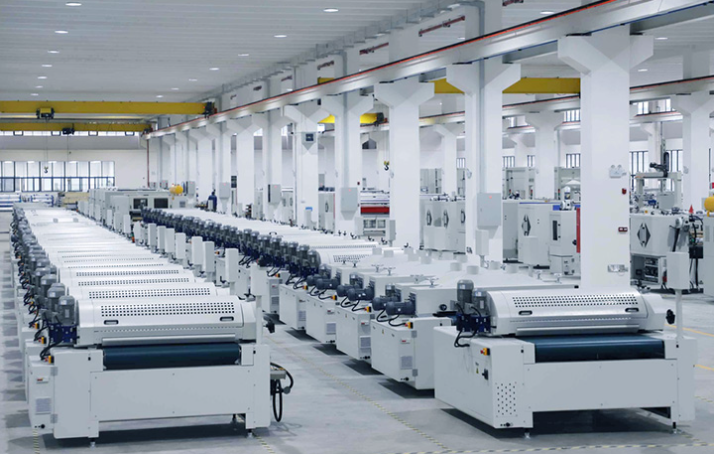
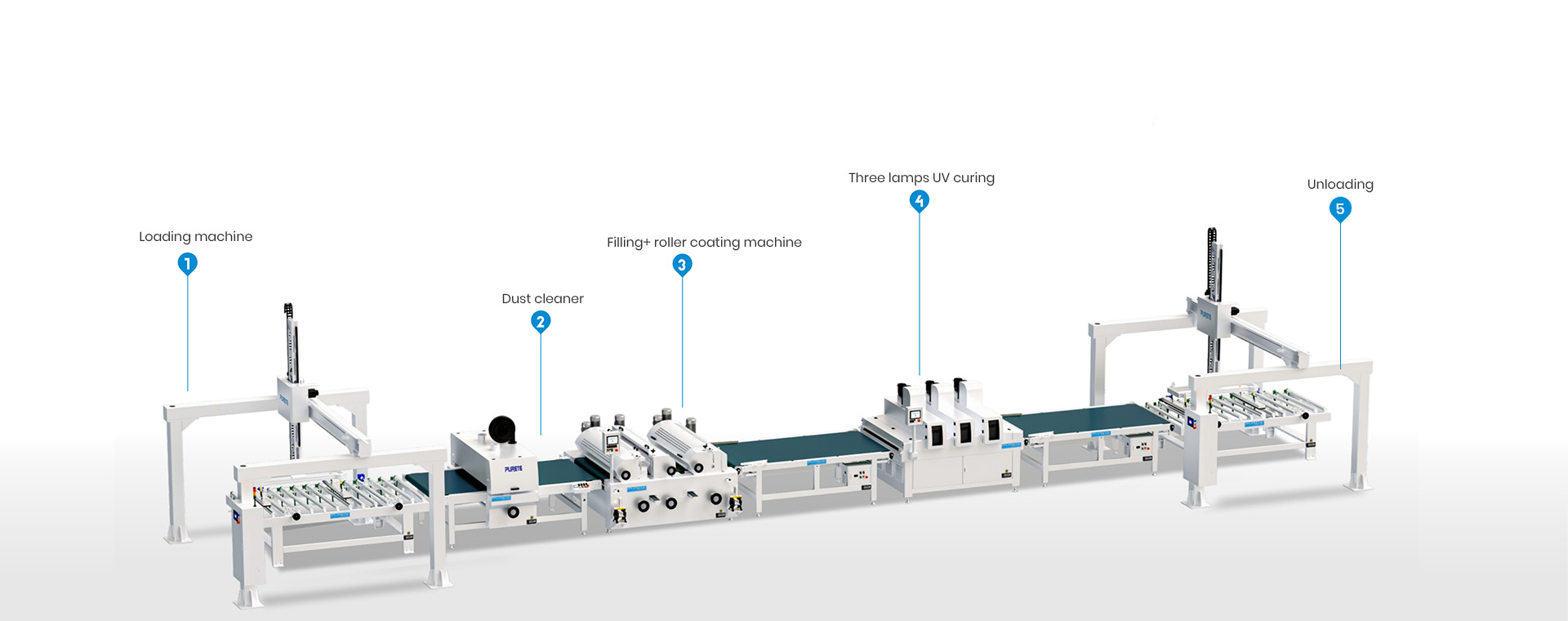 Automatic Roller Coating Production Line
Why Calcium Silicate Boards Need Surface Preparation
Porosity, dust and uneven absorption
Calcium silicate boards are valued for fire resistance, dimensional stability and suitability for interior construction. However, their surface can absorb coating unevenly. Fine dust from cutting or sanding may also remain in the pores.
If the board is coated without proper preparation, common defects include:
Uneven color and gloss
Pinholes and poor surface coverage
Orange peel or cratering
Weak intercoat adhesion
Excessive coating consumption
Visible particles after UV curing
The first step is therefore not the coating machine. It is substrate control.
A dust removal system, sanding unit or panel cleaner should be selected according to the board’s surface condition. The board must also be dry, flat and free from loose particles before entering the primer section.
The sealing primer performs several functions. It reduces uneven absorption, fixes residual dust, improves surface uniformity and creates a better foundation for the following coating layers.
UV Roller Coating Process for Calcium Silicate Wall Panels
1. Inspect, sand and clean the board
Check board thickness, flatness, moisture condition, surface dust and edge quality. Rough boards may require calibration sanding before coating.
The sanding system should be connected to an effective dust collector. Any dust left on the surface can become a permanent defect after the primer or topcoat is cured.
2. Apply the sealing primer
The primer should be compatible with both the calcium silicate substrate and the selected UV coating system. A filling unit may be required when the board has open pores or small surface irregularities.
The purpose is to create a controlled surface, not to build excessive thickness. Primer viscosity, coating weight and curing conditions should be confirmed through trial panels.
One published calcium silicate board process example used approximately 40–45 g/m² of UV primer, 20–25 seconds of UV exposure and 280–320-grit sanding at around 1,000 rpm. These figures should be treated as trial references rather than universal production settings because board density, coating formulation and UV equipment will change the result.
3. Choose the correct roller coating method
In a standard roller coating process, the coating is transferred evenly through controlled rollers. A filling roller can prepare the surface, while a precision roller applies the primer, color coat or topcoat.
Direct roller coating is often suitable for straightforward flat-panel applications. Reverse roller coating may be preferred when tighter film-thickness control or a smoother decorative finish is required.
The correct choice depends on:
Coating viscosity
Target film thickness
Board roughness
Required gloss level
Production speed
Number of coating passes
4. Allow sufficient leveling
After application, the wet film needs time to level before UV curing. Depending on the coating system, infrared or warm-air equipment can help stabilize flow and reduce surface marks.
However, excessive heat can create defects or affect board stability. The leveling section should be designed around the coating formulation instead of being added as a generic heating zone.
5. Complete the UV curing stage
UV curing depends on more than lamp quantity. The important variables are UV energy, lamp type, lamp distance, conveyor speed, coating thickness, pigment concentration and cooling performance.
If the line speed is too high, the coating may remain soft or under-cured. If the film is too thick or heavily pigmented, UV penetration may also be reduced.
A proper production specification should therefore record measured UV energy and curing results, rather than only stating the number of lamps.
6. Sand and clean between coating layers
After the primer has cured and cooled, intermediate sanding improves flatness and removes small surface defects. This step is especially important when the final finish requires high gloss, low haze or a smooth touch.
The board must be cleaned again after sanding. A panel cleaner, brush system or vacuum dust-removal unit can prevent sanding particles from becoming trapped under the topcoat.
7. Apply the topcoat and perform final inspection
The final coating may provide color, gloss, stain resistance, scratch resistance or easier cleaning. After final UV curing, inspect the panel under consistent lighting.
Recommended checks include:
Film thickness
Gloss and color uniformity
Adhesion
Surface hardness
Scratch resistance
Resistance to cleaning chemicals
Edge and corner coverage
UV finishes can be durable, but defects are not always easy to repair. Prevention and process control are more efficient than sanding and recoating rejected panels.
How to Plan a Continuous Roller Coating Line
Production data required before equipment selection
Before selecting a roller coating line, manufacturers should define the actual production mix:
Maximum and minimum panel size
Panel thickness and weight
Target square meters per hour
One-side or two-side coating
Number of primer and topcoat layers
Required gloss or decorative effect
Available factory space
Dust extraction and ventilation conditions
Loading, unloading and operator requirements
Recommended line configuration
A typical line may include:
Automatic Loading → Dust Removal → Sanding → Filling and Roller Coating → Leveling → UV Curing → Intermediate Sanding → Panel Cleaning → Topcoat Roller Coating → Final UV Curing → Inspection → Unloading
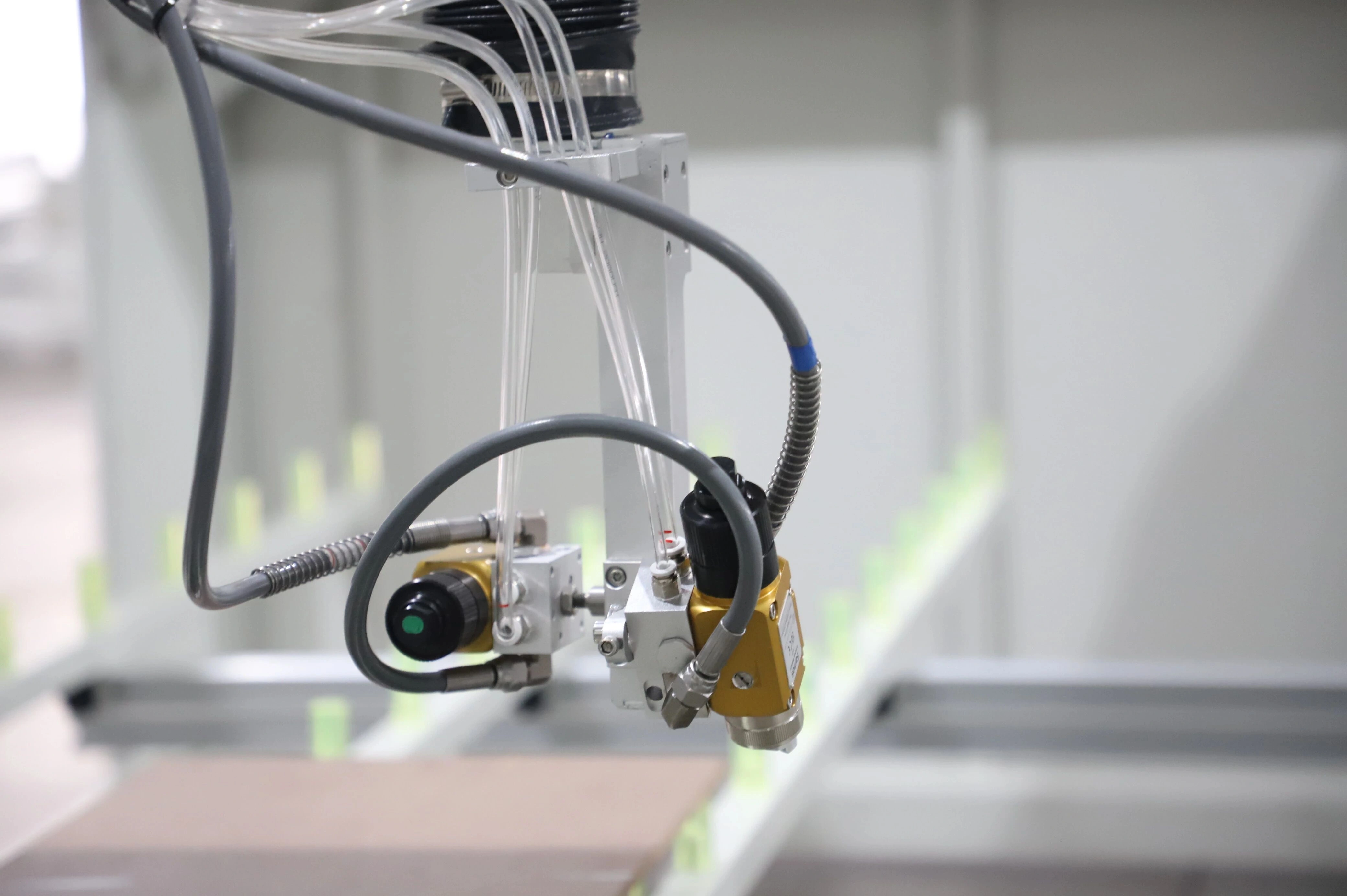
Engineering and Construction Surface Finishing Solutions
For large-panel projects, PURETE’s G3 roller coating line is designed for coating widths up to 2,550 mm and panels up to approximately 2.44 × 3.66 m. This type of capacity should still be matched to the customer’s actual panel mix and required finish.
A documented industrial UV finishing line processed approximately 2,800 panel sides per day using two sanders, two roll coaters and two UV ovens. This historical example shows why sanding, cleaning and curing should be planned as connected production modules rather than separate machines.
Some buyers search for a “UV primer machine,” but the more important question is whether the complete system can connect priming, conveying, curing, sanding and topcoating with stable quality.
Roller Coating Compared with Spray and Curtain Coating
| Requirement | Roller coating | Spray coating | Curtain coating |
|---|---|---|---|
| Flat wall panels | Excellent | Suitable | Excellent |
| Material efficiency | High | Overspray may occur | High |
| Edge and irregular coverage | Limited | Strong | Limited |
| Film-thickness control | Strong | Depends on spray control | Depends on flow stability |
| Continuous automation | Excellent | Requires spray booth | Excellent for suitable products |
For flat calcium silicate wall panels, roller coating is usually the most practical primary process. Spray coating can be added for edges or complex shapes, while curtain coating may be considered for special high-build finishes.
Applications in Global and Mexican Projects
Hospitals and cleanrooms
Decorated calcium silicate boards can be used in walls and ceilings for hospitals, cleanrooms, commercial interiors and public buildings when the complete system meets the required performance standards. Cleaning resistance, antibacterial performance and fire classification should always be supported by project-specific test documentation.
Engineering and prefabricated construction
For Mexican panel manufacturers, the opportunity is not limited to one product category. The same coating-line principles can support commercial interiors, prefabricated construction, engineering projects and decorative wall-panel production.
For manufacturers working in Nuevo León, Coahuila, Baja California and Querétaro, line planning should consider panel sizes, production speed, dust control, service requirements and the delivery schedules of construction projects.
Decorative wall panels
Decorative wall panels can be produced with high-gloss, matte, stone-texture, stain-resistant and easy-clean surfaces for residential, hotel, office and commercial interiors.
Mexico’s 2024 trade in the broader HS 6808 category of mineral-bonded panels and similar products reached approximately US$5.71 million. Nuevo León accounted for about US$3.12 million in exports within that category. This is not calcium-silicate-board-only data, but it provides useful regional context for panel-finishing investment.
When planning a line for Mexico, manufacturers should also consider Spanish-language operating instructions, spare-parts planning, operator training, local installation conditions and the delivery requirements of construction projects.
Final Checklist Before Production
Before approving mass production, confirm:
The board is clean, dry and sufficiently flat.
The sealing primer reduces absorption consistently.
The roller coating process produces the required film thickness.
UV curing is verified by measured energy and physical testing.
Sanding does not leave dust or visible scratches.
The final surface passes adhesion, gloss and cleaning tests.
The line capacity matches the real product mix.
PURETE will continue sharing surface-finishing solutions through its September 2026 exhibition activities. Read the PURETE September 2026 exhibition update.
For a customized calcium silicate board coating line, submit your panel dimensions, coating system, target output and desired finish to contact PURETE.
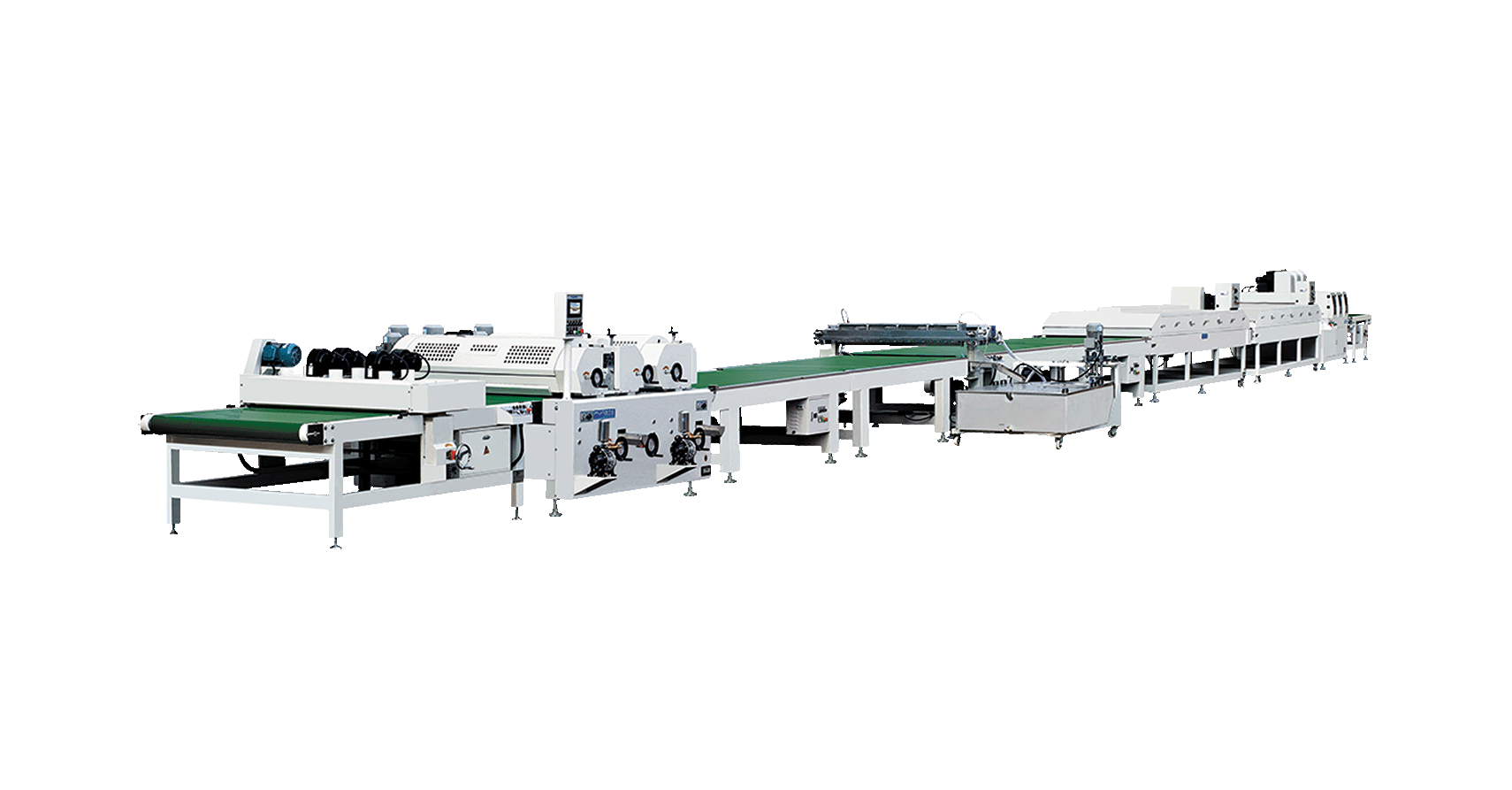
What Is the Principle of Auto Coating Machine?

Advantages of Short-Cycle Presses in Panel Processing
Application of Soft-Touch (Excimer) Coating in Furniture and Decorative Materials
Which Industries Benefit Most from PUR Laminating?
What Is the Principle of Roller Coating Machine?
How Does PUR Laminating Compare to Solvent-Based Lamination in Terms of Cost?
Global Surface Finishing Market Analysis and Development Trends


