

PUR vs EVA for Panel Lamination: When Should You Use PUR?
 July 31, 2026
 Hits:278second
Introduction
PUR and EVA can both be used in industrial panel lamination, but they do not create the same type of bond or place the same demands on production. In configuring panel lamination systems for different decorative materials and end-use conditions, PURETE treats adhesive selection as part of the complete process rather than a choice based on bond strength alone. The right option depends on the finished panel’s service environment, required durability, material combination, and the factory’s ability to control temperature and cleaning.
This comparison focuses on those operating decisions. It is not a general introduction to a laminating machine, and it does not assume that one adhesive or one line configuration is suitable for every panel product.
Quick Answer
Choose PUR when the panel needs a permanent, moisture-reactive bond and stronger long-term resistance to heat, humidity, cold, chemicals, or solvents. EVA may be sufficient when service conditions are moderate, reheating is useful, and simpler cleaning or lower operating complexity matters more.
The final decision should be based on the complete material system: substrate, decorative film or sheet, surface treatment, adhesive grade, glue application, pressing conditions, and end-use environment. Confirm the process with representative trial panels before full production.
Main Differences Between PUR and EVA
How PUR Cures
PUR for panel lamination is a reactive polyurethane hot-melt adhesive. After it is melted, applied, and pressed, it reacts with moisture and develops an irreversible bond. Once fully cured, it cannot simply be reheated and returned to its original condition.
This is why PUR requires disciplined handling. It must be protected from unnecessary moisture before application, and residue on rollers or supply components cannot be treated like ordinary thermoplastic material after it reacts. Shutdown and cleaning procedures are therefore part of process control.
How EVA Bonds
EVA is a thermoplastic hot-melt adhesive. It is heated until it flows and forms a bond as it cools. Unlike cured PUR, EVA can soften again when reheated. This can make cleaning and restarting easier, although repeated heating, contamination, or excessive residence time can still change its condition.
The practical difference is that EVA remains thermoplastic, while PUR becomes chemically cross-linked. That reversibility may help production flexibility, but it can also limit EVA when the finished panel will face demanding heat or environmental exposure.
Why the Curing Method Matters
The chemistry directly affects temperature control, operating time, cleaning, and final performance.
PUR needs coordinated control of the melter, transfer path, glue application, panel temperature, and line speed. Once the moisture reaction progresses, exposed adhesive becomes difficult to recover. EVA also needs stable melting and transfer, but it remains reheatable.
PUR is generally selected when the bond must remain stable under more demanding heat, cold, moisture, water-vapor, chemical, or solvent exposure. EVA should be judged against the actual service conditions rather than only the appearance of a newly laminated sample.
When to Choose PUR
Panels Exposed to Heat, Cold, or Moisture
PUR becomes the stronger candidate when the finished panel may be installed in a humid interior, exposed to temperature changes, cleaned frequently, or stored and transported under variable conditions.
The decision should not be based on one universal temperature or humidity limit. Adhesive grades differ, and performance also depends on the substrate, decorative layer, glue amount, surface preparation, and curing conditions.
Define the real service environment first. A dry bedroom cabinet does not face the same bonding demands as a kitchen wall panel, bathroom component, or product moving through hot and cold logistics environments.
Long-Term Bonding Requirements
PUR is appropriate when long-term resistance to peeling, edge lifting, or delamination is more important than reversibility. Its cured bond is suited to products where the decorative layer is expected to remain permanently attached throughout service.
PUR alone does not guarantee durability. Dust, insufficient glue transfer, an unsuitable film surface, low panel temperature, or unstable pressing can still produce a weak result. The adhesive only performs as part of a controlled process.
Decorative Panel Applications
High-gloss PET panels, furniture boards, cabinet components, interior wall panels, and other decorative surfaces are common situations in which manufacturers consider PUR.
A PUR laminating production line can integrate panel cleaning, infrared preheating, glue application, decorative material feeding, alignment, and pressing. However, the exact configuration must still be matched to the substrate, decorative layer, adhesive, and required surface quality.
A machine’s ability to handle a material does not prove that every PUR grade will bond to it. Transparent PET, coated PET, PETG, PVC, CPL, veneer, acrylic, or foil can differ in surface energy, back treatment, and temperature limits. Confirm each combination through the adhesive supplier’s technical data and representative trials.
When EVA May Be Sufficient
Moderate Service Requirements
EVA may be sufficient when the product will remain in a stable indoor environment and the required bond performance is moderate.
It can be a rational choice when testing confirms acceptable adhesion and edge stability and the specification does not require the environmental resistance of reactive PUR.
The key is to define how the finished panel will be used. Choosing EVA is not the problem; choosing it without clear service requirements is.
Easier Cleaning and Adhesive Reuse
Because EVA is thermoplastic, it can generally be softened again with heat. This changes how operators manage stops, residue, and cleaning.
A factory running short campaigns or frequent product changes may value that reversibility. PUR requires stricter shutdown handling because reacted adhesive cannot be remelted. Rollers and glue-contact parts must be cleaned according to the approved procedure before cured material accumulates.
For factories with irregular schedules or limited maintenance staffing, this difference may be as important as bond strength.
Cost and Operating Factors
Adhesive choice should not be reduced to price per kilogram.
The comparison should include:
the melter and glue-supply package;
heating and preparation time;
cleaning materials;
operator labor;
changeover and shutdown time;
adhesive waste;
defective panels;
the potential cost of delamination after delivery.
PUR can justify greater process control when a durable bond is part of the product specification. EVA may reduce operating complexity, but it can become costly if the application exceeds its service range.
Without factory-specific data, neither option should be assigned a fixed saving percentage.
Machine Setup for PUR vs EVA
Melter and Glue Supply
PUR and EVA should not be treated as two recipes that can always run through the same glue-supply package.
The melting, pumping, transfer, sealing, and application system must match the adhesive form and curing mechanism. PUR and EVA normally require different melter and glue-supply configurations.
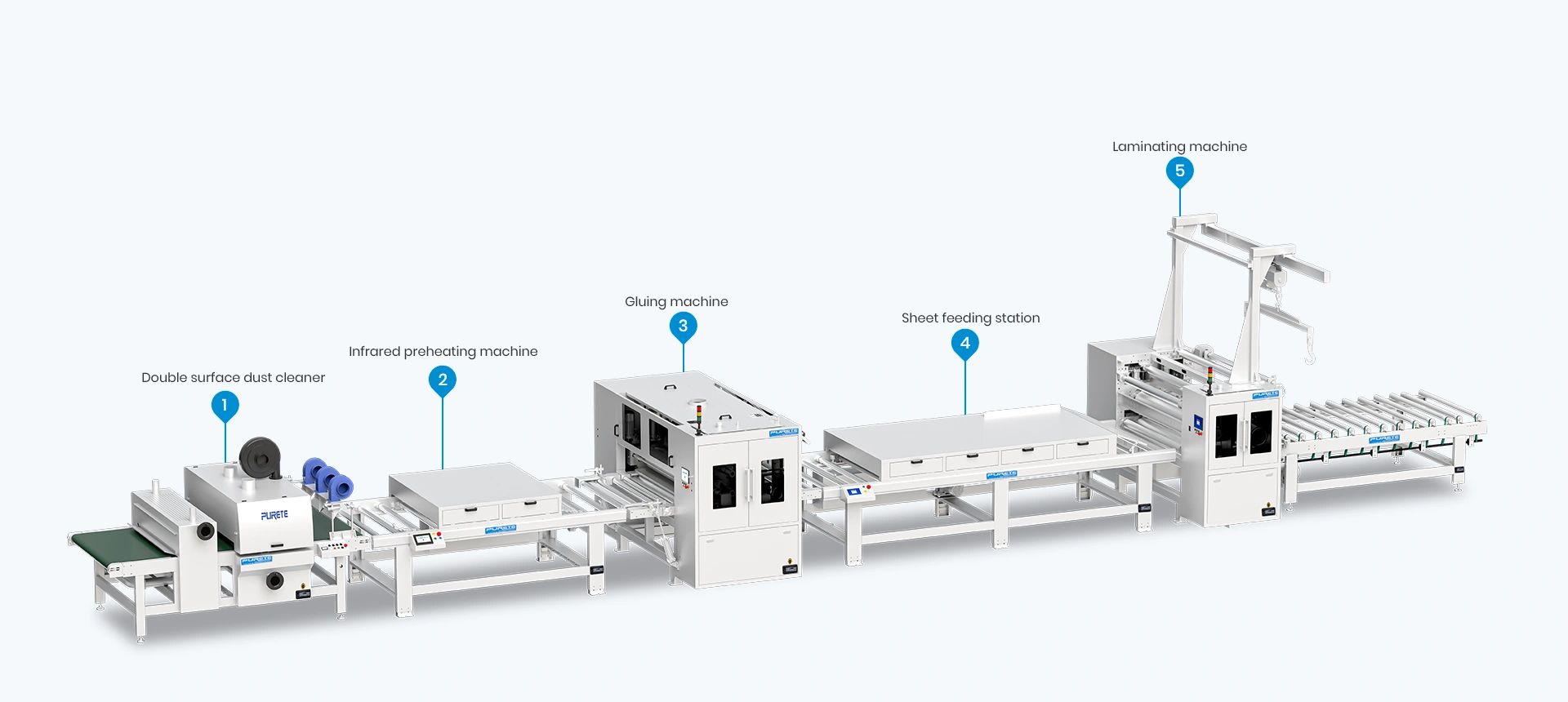
PURETE PUR laminating production line
For a panel lamination project, the adhesive should therefore be selected before the final machine configuration is confirmed. A line may be designed to support different lamination processes, but this does not mean the same supply system can switch directly between PUR and EVA without equipment changes, cleaning, or process adjustment.
Temperature Control
Temperature control is not one setting for the whole line.
The following areas may need separate control:
the adhesive melter;
heated hoses or transfer pipes;
the glue application section;
the coating or spreading rollers;
the panel surface;
the decorative film or sheet;
the surrounding production environment.
PUR generally places higher demands on temperature control. A cold panel may remove heat too quickly, while excessive heating or long adhesive residence time can change the adhesive condition.
Settings should come from the adhesive supplier’s technical data and be confirmed with the actual panel, decorative material, glue amount, pressure, and line speed.
Post-Production Cleaning
With PUR, operators need a defined cleaning method for the glue spreader, rollers, exposed glue-contact areas, and shutdown sequence. Once the adhesive reacts and cures, reheating will not restore it.
EVA follows a different cleaning logic because it can soften again. Even so, old adhesive should not remain indefinitely in the system. Excessive heat history, contamination, or carbonization can still cause unstable transfer and surface defects.
Approved cleaning agents, cleaning cycles, and waste-handling procedures should be confirmed for both adhesive systems.
Film and Substrate Factors
PET Film Lamination
Transparent and high-gloss PET can be laminated through a conventional PUR process.
Transparent PET can also be bonded through a UV adhesive process, but this is a different process route. A UV adhesive system requires suitable glue application and downstream UV curing. It should not be treated as an unchanged PUR line using a different glue.
PET appearance can be as demanding as adhesion. Dust, glue particles, uneven transfer, or surface marks that may be hidden under an opaque film can become obvious under a transparent or high-gloss layer.
Panel Temperature and Surface Condition
Dust and particles can interrupt contact and create visible points, lines, or local bonding defects.
A cold panel can cool the adhesive prematurely, while an uneven or contaminated surface can cause local differences in wetting and glue thickness.
Panel cleaning and infrared preheating may therefore be installed before glue application. These modules support the process, but panels still need to be flat, clean, stable, and conditioned for the production environment.
Confirm Material Compatibility as a System
Do not confirm only the adhesive.
A representative trial should include the actual:
substrate;
decorative film or sheet;
surface treatment;
adhesive grade;
glue application amount;
panel temperature;
pressing conditions;
production speed;
curing time;
storage conditions;
final service environment.
This is especially important for PVC, PP, CPL, veneer, coated PET, metal surfaces, and other materials whose back coating, surface energy, porosity, or heat sensitivity may vary by supplier.
A general compatibility list can guide early discussion, but it cannot replace testing of the actual material combination.
PUR vs EVA Production Problems
Glue Stringing and Unstable Transfer
Glue stringing can indicate unstable adhesive condition or supply.
Possible causes include:
excessive melting or heating time;
insufficient adhesive in the supply system;
unstable adhesive temperature;
changes in adhesive viscosity;
contamination;
excessive exposure to air or moisture;
an unsuitable transfer or application setting.
Check the adhesive residence time, supply condition, temperature, and cleanliness before simply increasing the glue amount.
Loose Leading or Trailing Edges
Poor bonding at the panel front or rear may be related to glue distribution and speed coordination.
The leading or trailing edge may receive insufficient adhesive if the glue application, sweeping roller, pressing section, or panel spacing is not coordinated correctly.
Before adding more adhesive, check:
the glue application ratio;
roller speed;
pressing timing;
panel spacing;
glue transfer at the front and rear edges;
whether the panel enters the pressing section while the adhesive is still in the correct working condition.
Dust, Particles, and Surface Marks
High-gloss and transparent products are especially sensitive to contamination.
Check:
material storage and protective film handling;
panel cleaning;
the decorative-sheet placement area;
the glue reservoir;
roller surfaces;
the surrounding production environment;
whether the adhesive is aging or contaminated.
Reducing the time between glue application and pressing can limit dust exposure, but it cannot replace a controlled and clean working area.
Film Drift and Wrinkling
When roll film moves sideways or wrinkles, begin with mechanical alignment rather than immediately changing the adhesive.
Check the following progressively:
bottom and guide roller alignment;
parallelism of the laminating rollers;
film tension;
film roll installation;
panel tracking;
pressing balance;
roller pressure;
whether the film is being pulled unevenly.
Changing the adhesive will not correct a guiding or tension-control problem.
PUR or EVA: Which Should You Choose?
| Selection condition | More likely PUR | More likely EVA |
|---|---|---|
| High long-term heat or moisture resistance is required | Yes | Confirm carefully |
| An irreversible reactive bond is required | Yes | No |
| Reheating or remelting is operationally useful | No | Yes |
| The factory has strong temperature and cleaning control | Well suited | Requirements differ |
| Finished-product demands are moderate | Depends on the project | May be sufficient |
| Frequent short runs or stops are expected | Requires strict procedures | May be easier to manage |
PUR is not automatically correct for every laminated panel, and EVA is not automatically a low-quality alternative.
PUR is usually the stronger choice when environmental resistance and permanent long-term bonding are central to the specification. EVA may be appropriate when service demands are moderate and reheating or simpler operation is valuable.
The final choice should come from the complete material combination, end-use conditions, quality target, and factory capability. Confirm it with the adhesive technical data, the proposed machine configuration, and representative trial panels before full production.
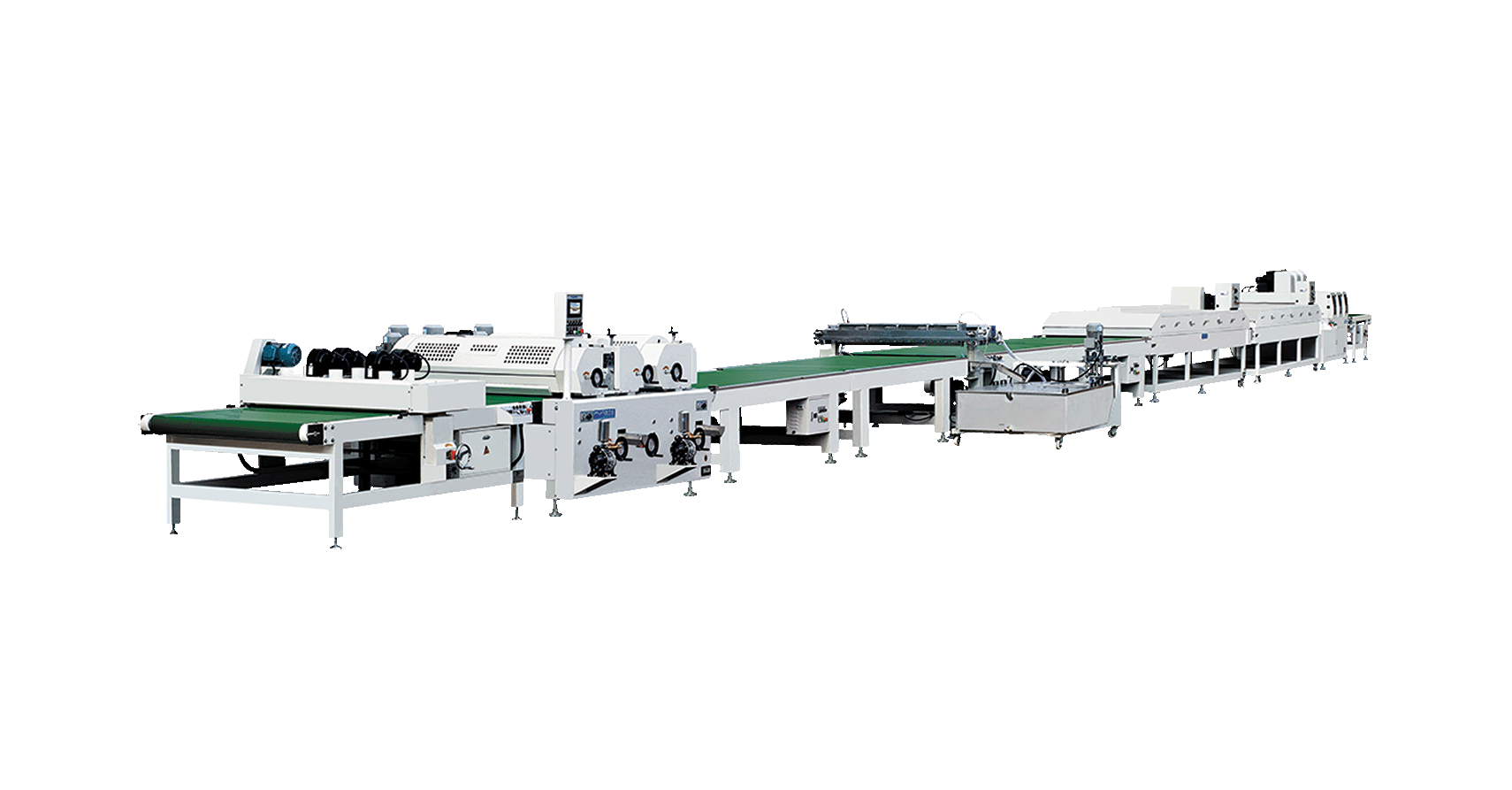
What Is the Principle of Auto Coating Machine?

Advantages of Short-Cycle Presses in Panel Processing
Application of Soft-Touch (Excimer) Coating in Furniture and Decorative Materials
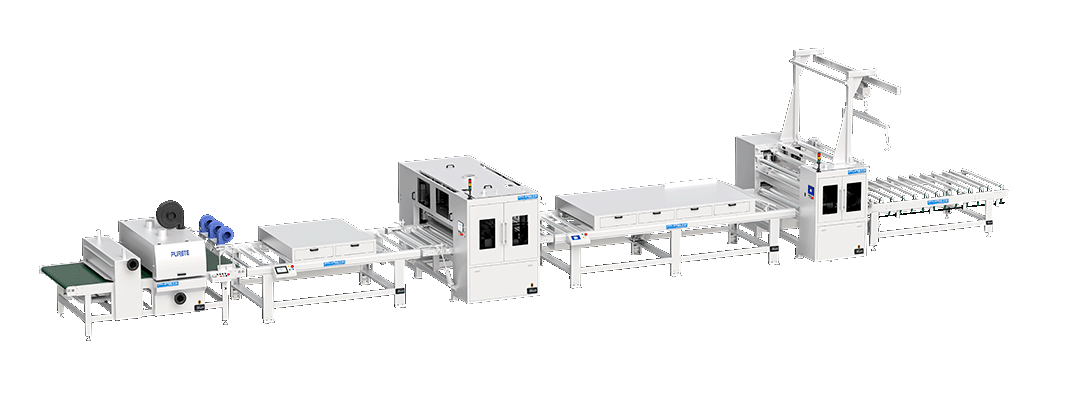
Which Industries Benefit Most from PUR Laminating?
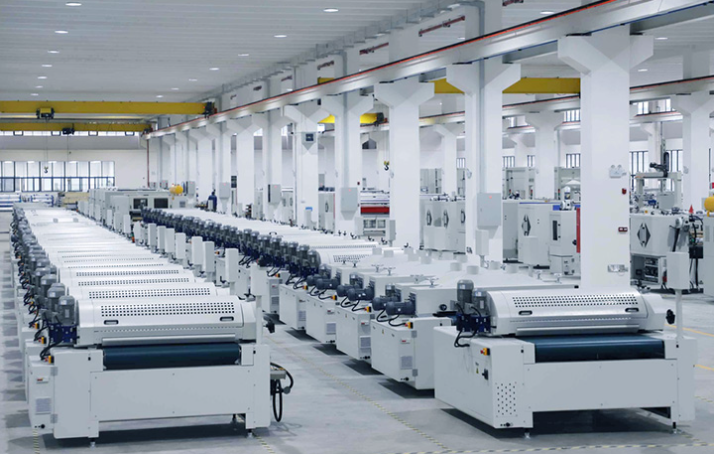
What Is the Principle of Roller Coating Machine?
How Does PUR Laminating Compare to Solvent-Based Lamination in Terms of Cost?
Global Surface Finishing Market Analysis and Development Trends


