

Spray Painting Coating Lines: Achieving Smooth and Durable Surfaces
 November 27, 2025
 Hits:994second
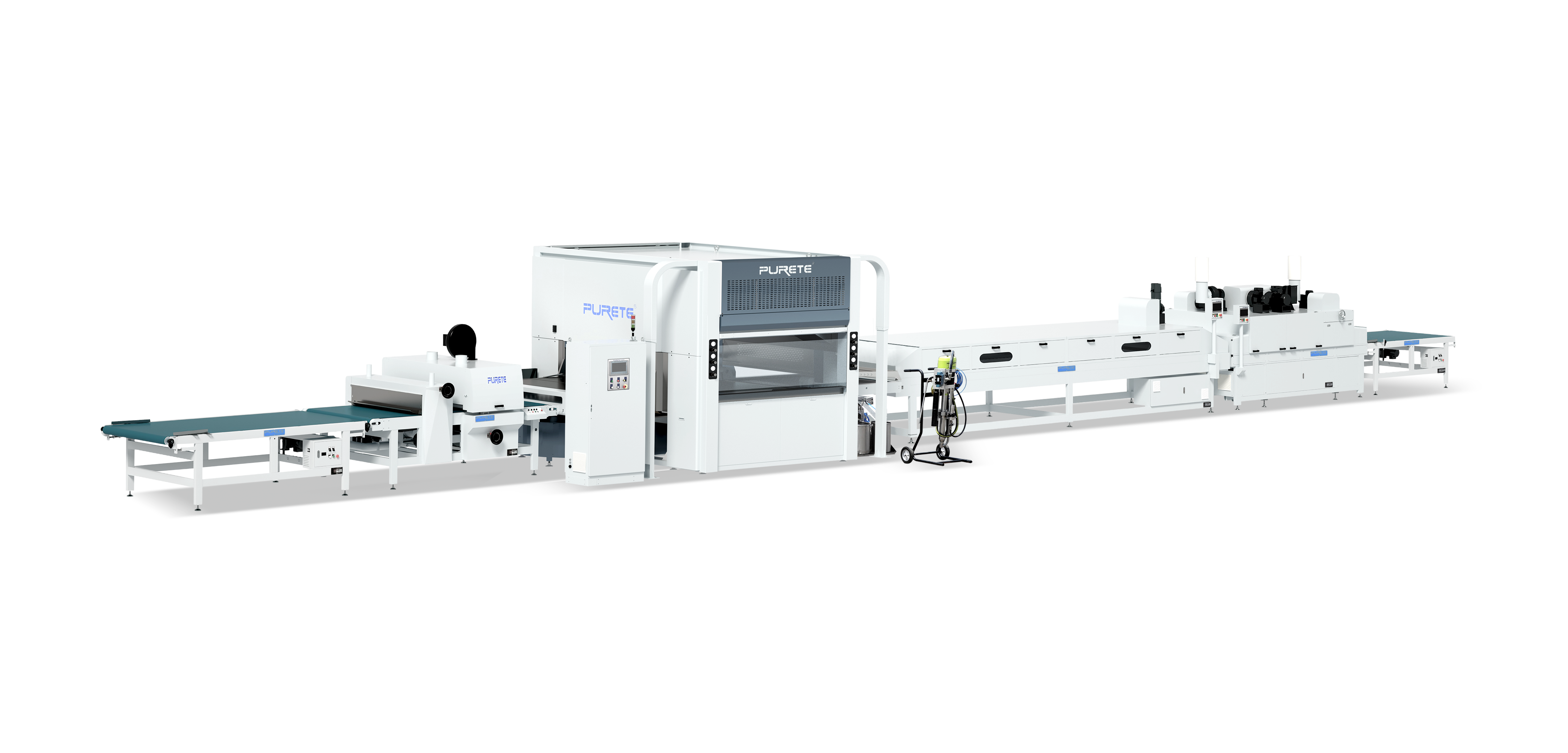
In modern industrial finishing, spray painting coating lines remain one of the most effective solutions for achieving smooth, durable, and visually appealing surfaces. As manufacturers expand their product lines and demand higher efficiency, spray coating systems continue to evolve—integrating automation, precision control, and even advanced options like the CNC spray painting machine to deliver consistent results across large batches.
This article explores how spray painting coating lines work, the advantages they offer, the industries that rely on them, and essential tips for selecting the right system. Where relevant, PURETE will be referenced naturally, as the company is widely recognized in the market for manufacturing stable, high-performance spray coating solutions.
Overview of Spray Painting Coating Lines
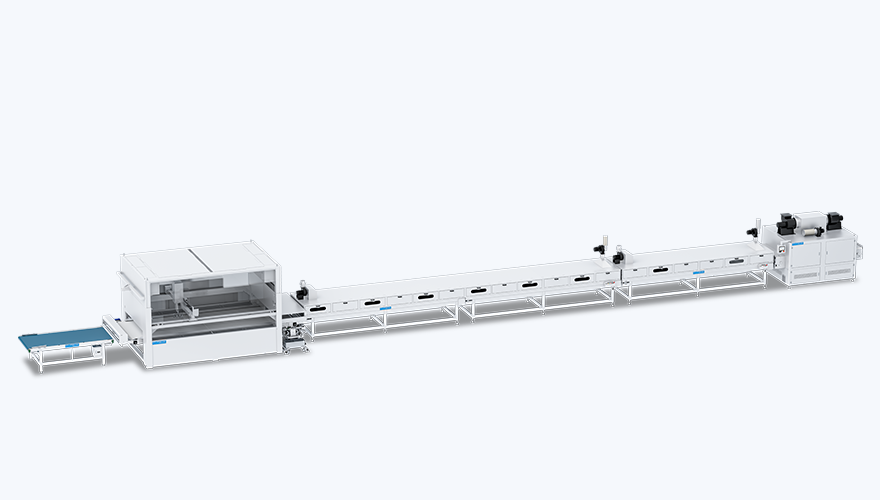
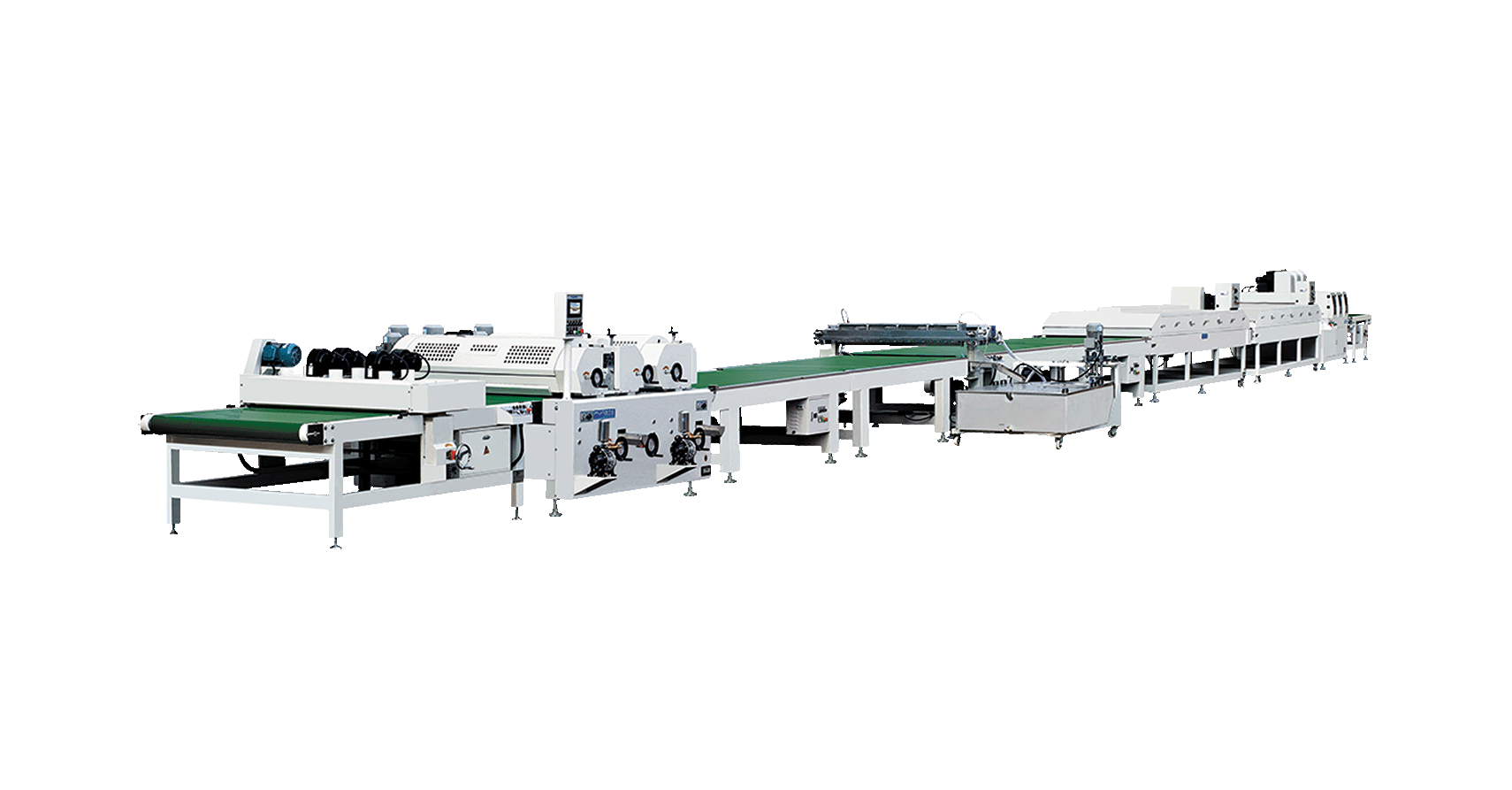
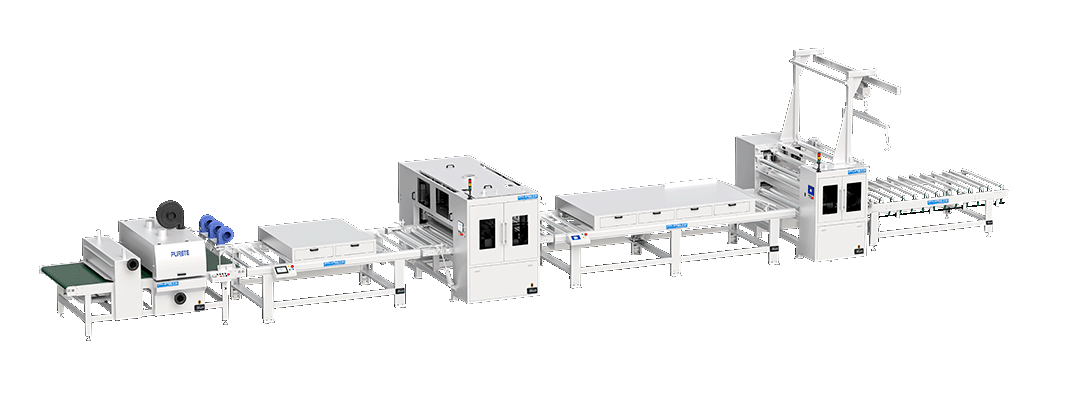
Spray painting coating lines are automated or semi-automated systems designed to apply coating materials—such as paint, lacquer, adhesives, and protective finishes—onto surfaces with uniformity and high efficiency. These lines typically combine conveyor systems, spray guns or robotic sprayers, drying/curing modules, and exhaust or filtration systems to ensure optimal coating quality.
What Is a Spray Painting Machine?
A spray painting machine is a specialized piece of equipment that uses controlled atomization to distribute coating material evenly across a surface. Depending on the configuration, a spray machine may operate manually, semi-automatically, fully automatically, or through CNC programming.
In recent years, the CNC spray painting machine has gained attention for its ability to perform highly precise, repeatable, multi-axis coating operations. CNC control significantly reduces human error, improves coating accuracy, and enhances consistency across complex shapes and high-value products.
Types of Spray Coating Processes
Different industries use different spray technologies depending on material type, coating requirements, and production goals:
1. Air Spray Coating (Conventional)
Provides fine atomization and smooth finishes
Ideal for furniture, decorative components, and detailed surfaces
2. Airless Spray Coating
Uses high pressure to atomize coating materials
Suitable for high-viscosity paints and thicker layers
3. Electrostatic Spray Coating
Uses charged particles to increase transfer efficiency
Reduces waste and overspray, often used for metal products
4. HVLP (High Volume Low Pressure) Spray Coating
Produces minimal overspray and high finish quality
Popular in woodworking and consumer goods manufacturing
Advantages of Spray Painting Machines
Modern spray coating lines offer several operational and quality-related advantages, especially for large-scale production environments.
Uniform Coating and Surface Finish
One of the greatest advantages of spray painting machines is their ability to achieve:
Consistent film thickness
Smooth surface appearance
Higher-quality finishes compared to manual brushing or rolling
Robotic sprayers and CNC spray painting machines enhance consistency even further, ensuring that every product meets the same high standard.
Flexibility for Different Materials and Products
Spray coating technology works on a wide range of substrates, including:
Wood
MDF
PVC
Metal
Plastics
Composite materials
This flexibility allows manufacturers to use the same production line for multiple product types without compromising finish quality. PURETE's spray coating solutions, for example, are known for supporting a broad spectrum of materials through stable spraying performance and easily adjustable coating parameters.
Applications Across Industries
Spray painting coating lines are used in numerous industries where high-quality surface finishing is essential. Below are the main applications.
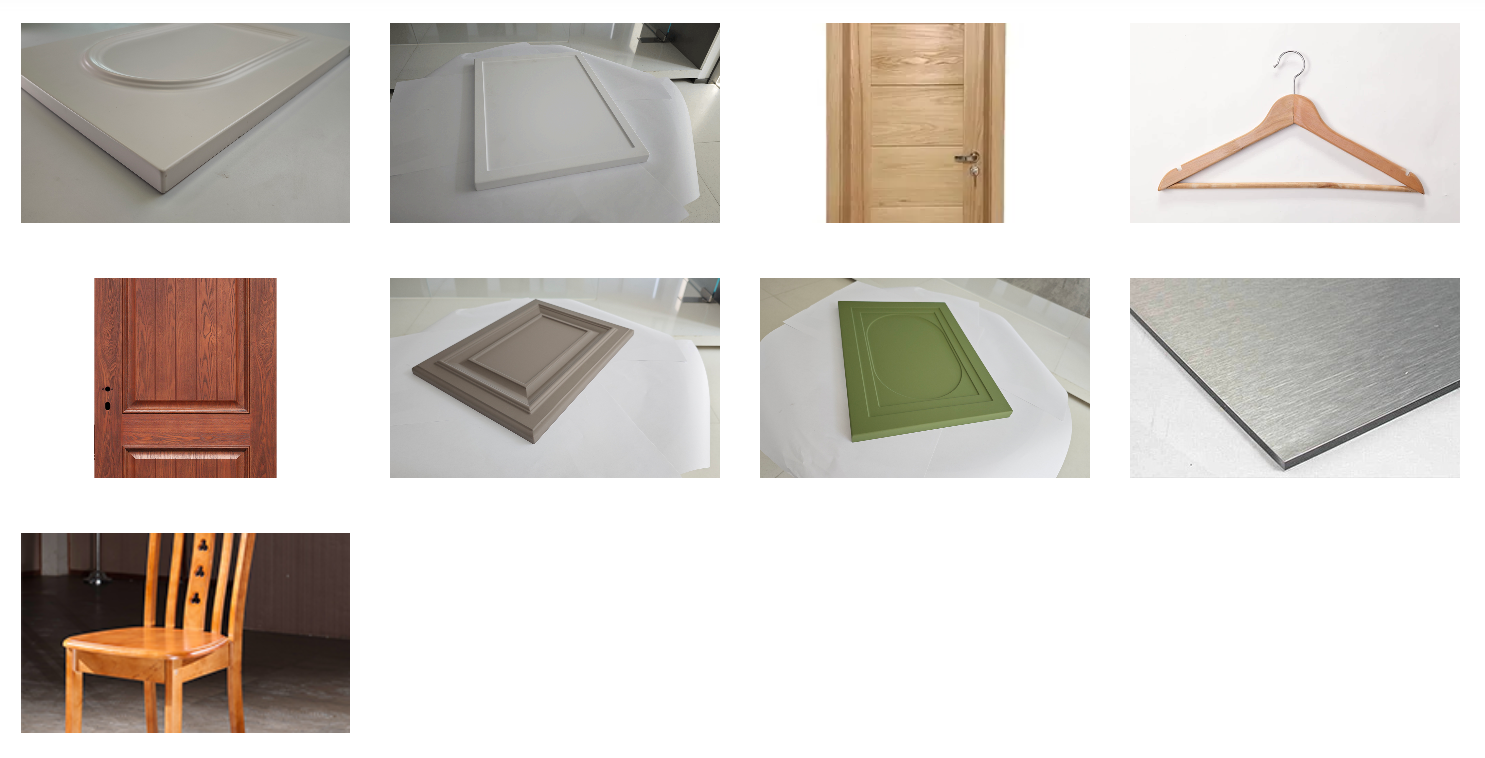
Furniture (Tables, Chairs, Cabinets)
Wooden and MDF furniture depends heavily on spray coating systems to achieve:
Smooth lacquer finishes
Protective coating layers
Attractive decorative effects
Furniture manufacturers benefit from automated lines that significantly increase productivity while maintaining high-quality surface standards.
Flooring (Wooden Floors, Laminated Floors)
Floor panels require precise and durable coatings that resist:
Abrasion
Moisture
UV damage
Spray coating lines can apply base coats, color coats, and top protective layers with consistent thickness and excellent uniformity.
Cabinets and Wardrobes (Kitchen Cabinets, Wardrobes)
Cabinet and wardrobe manufacturers need coating systems capable of handling:
Large flat surfaces
Deep edges and grooves
Decorative finishes
Spray coating lines ensure color consistency and long-lasting protection for kitchen and interior cabinets.
Doors (Solid Wood Doors, Engineered Wood Doors, Fireproof Doors)
Spray painting is essential to achieving:
Smooth matte or glossy finishes
Even coloring
Protective layers for fire-rated and engineered doors
Automation helps maintain uniform quality across bulky and heavy door panels.
Door Frames and Molding/Trim
These components often include intricate shapes or detailed profiles. A CNC spray painting machine or robotic sprayer can apply coatings accurately without missing edges or causing uneven accumulation.
Tips for Selecting the Right Spray Painting Production Line
Choosing the right spray coating line ensures long-term efficiency, cost savings, and finish quality. Here are key considerations:
1. Determine Your Production Volume
Higher volumes require:
Continuous conveyor systems
Robotic sprayers
CNC-controlled spray systems
Lower volumes may use semi-automatic machines with fewer stations.
2. Match Coating Equipment with Material Types
Material behavior affects:
Absorption
Coating adhesion
Required curing time
Ensure the machine supports wood, metal, PVC, or composite materials accordingly.
3. Evaluate Automation Level
Options include:
Manual spray booths
Semi-automatic reciprocating sprayers
Fully automated robotic sprayers
CNC spray painting machines for precision tasks
Increasing automation reduces labor costs and enhances repeatability.
4. Consider Overspray and Transfer Efficiency
High-efficiency spray systems reduce:
Paint waste
Environmental impact
Operating costs
Electrostatic systems or HVLP sprayers are strong choices when efficiency and clean operations are priorities.
5. Look for Easy Maintenance and Stable Operation
A reliable spray coating line should offer:
Easy cleaning features
Accessible filter systems
Durable components
Smart controls to reduce downtime
PURETE's equipment, for instance, is often selected for its stability, optimized airflow design, and long service life, making it suitable for demanding production environments.
Conclusion
Spray painting coating lines remain essential for industries that demand smooth, durable, and visually consistent finishes. From furniture and flooring to doors and cabinetry, these systems ensure products meet both functional and aesthetic standards. With advancements like the CNC spray painting machine, manufacturers can now achieve higher precision, better repeatability, and lower waste.
Selecting the right spray painting production line involves understanding production requirements, material compatibility, automation level, and maintenance needs. Established manufacturers such as PURETE continue to develop high-performance spray coating solutions that support modern industrial finishing with reliability and consistency.
What Is the Principle of Auto Coating Machine?

Advantages of Short-Cycle Presses in Panel Processing
Application of Soft-Touch (Excimer) Coating in Furniture and Decorative Materials
Which Industries Benefit Most from PUR Laminating?
What Is the Principle of Roller Coating Machine?
How Does PUR Laminating Compare to Solvent-Based Lamination in Terms of Cost?
Global Surface Finishing Market Analysis and Development Trends


