

Maximizing Efficiency in Standard Roller Coating Production Lines
 November 25, 2025
 Hits:842second
The demand for high-quality surface finishing continues to grow across the furniture, building materials, and decorative panel industries. Manufacturers require reliable, efficient, and scalable solutions to achieve consistent coating results without sacrificing production speed or increasing operational costs. Among the various types of coating technologies available, the standard roller coating production line stands out for its precision, uniformity, and suitability for high-volume manufacturing.
This article explores the capabilities of standard roller coating lines, best practices to maximize efficiency, key maintenance strategies, and the reasons why we at PURETE provide roller coating machines that help manufacturers achieve stable, repeatable, and cost-effective production outcomes.
Introduction to Standard Roller Coating Production Lines
Features and Capabilities
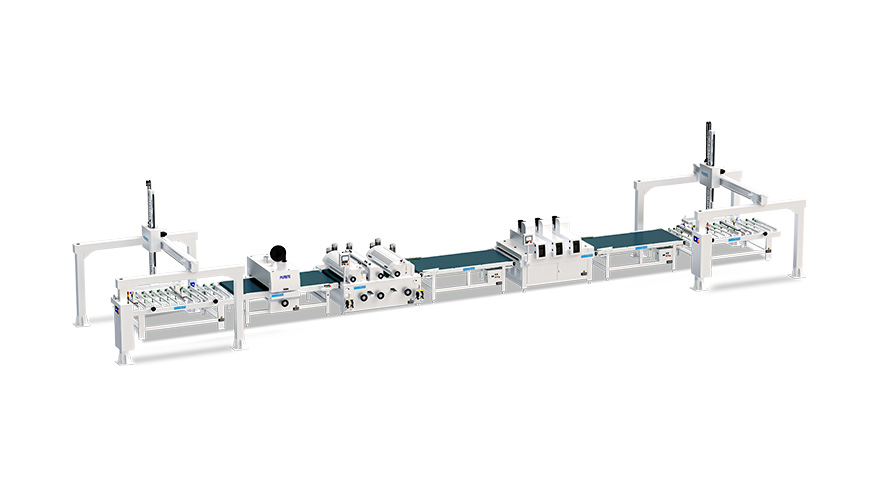
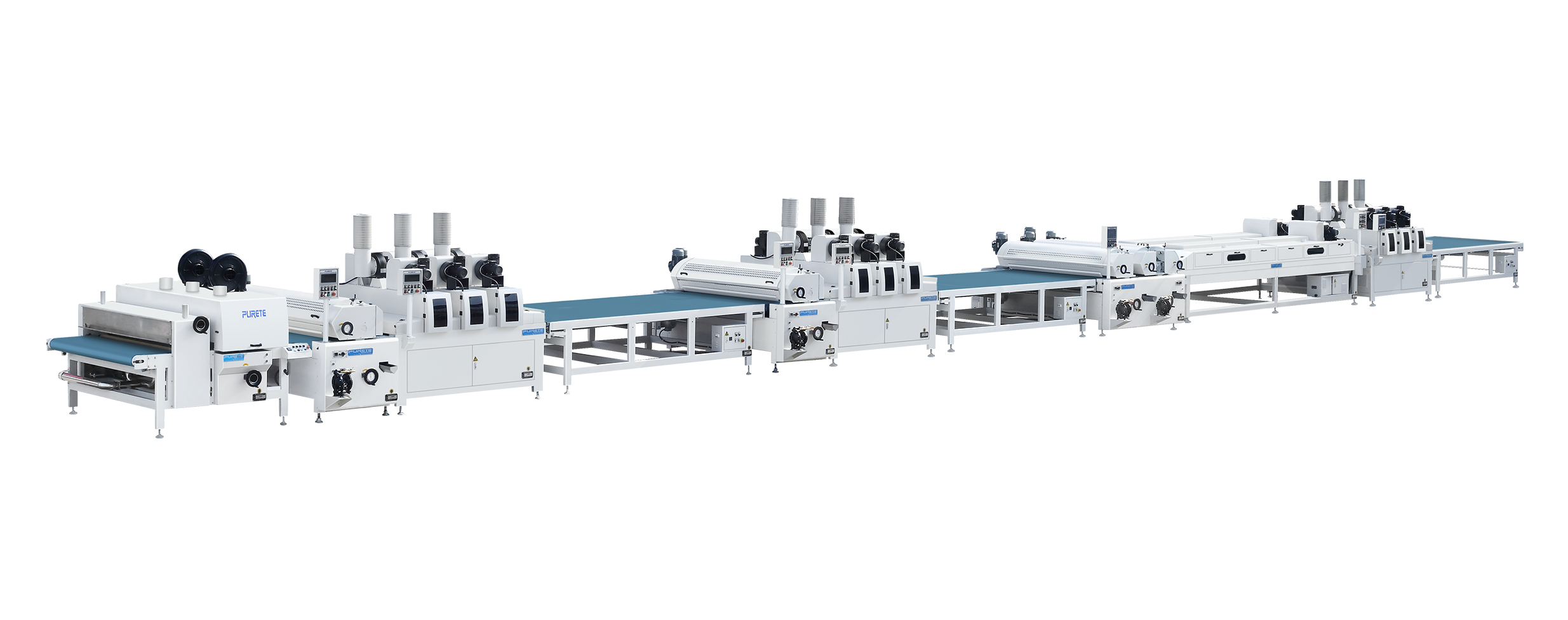
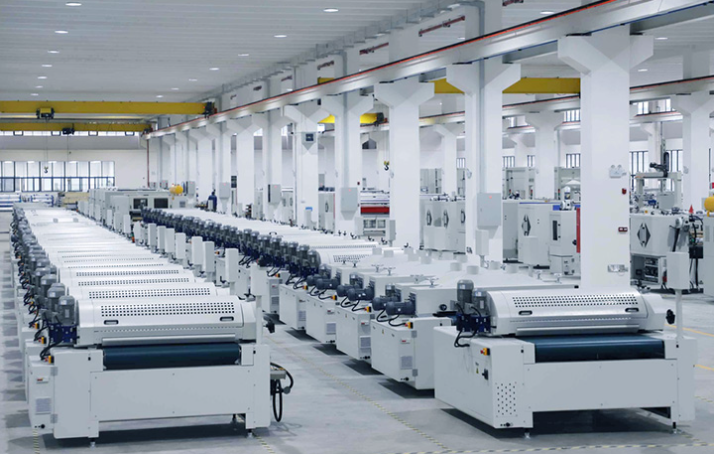
A standard roller coating production line is engineered to apply uniform layers of coatings such as UV coatings, primers, stains, lacquer, or water-based materials to flat surfaces. These machines use a controlled roller system to transfer coating evenly onto substrates, ensuring smooth finishes with minimal defects.
Key features include:
High-precision roller control for consistent coating thickness
Continuous high-speed processing suitable for large production volumes
Stable viscosity and material flow management
Low coating consumption compared to spray coating systems
Uniform surface appearance without streaks or uneven patches
Full-line integration with UV curing units, sanding machines, and drying tunnels
These capabilities make roller coating lines a preferred choice for surface finishing in mass production environments.
Typical Industrial Applications
Standard roller coaters are used throughout the manufacturing of:
MDF and particleboard furniture panels
Plywood and engineered wood boards
Cabinet doors and wardrobe panels
Decorative wall panels and wainscoting
Wood veneer surfaces
Flooring substrates (engineered wood, composite materials)
Interior decorative trims
Due to their speed, uniformity, and material efficiency, roller coating lines are widely implemented in automated finishing factories seeking high throughput and consistent quality.
Best Practices for Efficient Operation
To maximize productivity in a standard roller coating production line, the operational process must be optimized across multiple stages. Manufacturers who follow these best practices typically experience reduced downtime, improved coating consistency, and lower material waste.
Optimizing Coating Speed and Thickness
The most important performance indicators in roller coating are speed, thickness, and fluid behavior. Operators should continuously monitor:
1. Roller Speed and Surface Contact
Higher roller speeds reduce coating thickness
Lower speeds allow more transfer to the panel
Speed synchronization with conveyors is essential to avoid streaking
2. Roller Gap and Pressure Settings
Micro-adjustments can significantly influence film thickness
Consistent pressure prevents uneven coating distribution
Regular calibration ensures predictable coating behavior
3. Coating Viscosity and Temperature Control
Stable viscosity reduces defects such as sagging or pinholes
Automated viscosity regulation is ideal for long-duration runs
Temperature variations affect flowability and must be controlled
Combining these factors ensures reliable and uniform coating across all batches.
Reducing Waste and Downtime
High-efficiency production lines operate with minimal waste. To achieve this:
Clean panels thoroughly before coating
Dust or debris will transfer to rollers and affect results.
Use coating recovery systems
Excess material should be collected, filtered, and reused when appropriate.
Plan production runs to minimize frequent color changes
Reduces cleaning time and decreases chemical and material waste.
Implement automated monitoring systems
Alerts for viscosity, roller pressure, and pump flow reduce operator error.
Check consumables before each production shift
Worn blades, rollers, or bearings can cause unexpected downtime.
Improving production planning and monitoring reduces operational interruptions and keeps coating quality stable.

Maintenance Tips for Longevity
Regular maintenance is essential for extending the service life of standard roller coating lines and ensuring consistent performance.
Routine Inspections and Cleaning
Daily and weekly maintenance should include:
Cleaning coating rollers, applicators, and doctor blades after each run
Flushing material supply lines to prevent hardening or contamination
Checking pump filters and material tanks for buildup
Examining the surface of rollers for scratches, dents, or residue
Recording essential operating data to detect anomalies
These steps ensure that coating quality remains stable and reduce the probability of unexpected failures.
Spare Parts and Component Care
Key components requiring regular attention include:
Rubber and steel application rollers
Bearings and drive components
Conveyor belts
Doctor blades
Viscosity control equipment
Servo motors and speed-regulation systems
Preventive maintenance should include:
Scheduled replacement of wear parts
Proper lubrication for moving mechanical parts
Monitoring temperature and load of motors
Ensuring stable power supply and electrical safety
Factories with clear maintenance procedures benefit from reduced repair costs and improved long-term performance.
Why PURETE Roller Coating Machines Deliver Consistent Quality
When it comes to selecting a roller coating machine, many manufacturers prioritize precision, stability, and adaptability. At PURETE, we design and manufacture roller coating equipment with these priorities in mind. Our goal is to provide machines that support long-term production, reduce coating waste, and maintain consistent surface finishing quality.
1. Precision Engineering and Stable Coating Performance
Our roller coaters use:
Fine-adjustment mechanisms
Servo-driven roller control
Integrated speed synchronization
Optimized roller structures
These features help maintain uniform coating thickness even when running at high production speeds.
2. Low Coating Consumption and Efficient Material Transfer
We prioritize energy efficiency and material savings. Our machines:
Reduce coating waste through intelligent material distribution
Optimize roller contact for smooth transfer
Support stable flow systems for continuous, long-run production
This allows manufacturers to lower operating costs without compromising quality.
3. Durable Build Quality for Heavy-Duty Production
Our equipment is built for industrial environments, using reliable components and robust frames to support long-term operation in 24-hour production lines.
4. Flexible Line Integration
PURETE roller coating machines can be integrated with:
UV curing systems
Drying tunnels
Sanding and brushing units
Cleaning and dust removal modules
This flexibility helps manufacturers create full-solution coating lines suitable for wood panels, furniture boards, and other flat-surface materials.
Conclusion
A standard roller coating production line is one of the most efficient solutions in modern surface finishing. Its ability to deliver uniform, high-quality coatings at high production speeds makes it essential for panel manufacturers, furniture producers, and decorative surface material suppliers.
By optimizing coating parameters, reducing waste, and following proper maintenance procedures, factories can significantly enhance operational efficiency and extend equipment lifespan. And for manufacturers seeking a reliable, precise, and durable solution, our roller coating machines at PURETE provide the stability, accuracy, and long-term value required for advanced industrial production.
What Is the Principle of Auto Coating Machine?

Advantages of Short-Cycle Presses in Panel Processing
Application of Soft-Touch (Excimer) Coating in Furniture and Decorative Materials
Which Industries Benefit Most from PUR Laminating?
What Is the Principle of Roller Coating Machine?
How Does PUR Laminating Compare to Solvent-Based Lamination in Terms of Cost?
Global Surface Finishing Market Analysis and Development Trends


