

What Affects the Price of a Coating Machine? Key Cost Factors Explained
 March 30, 2026
 Hits:870second
Here is a comprehensive overview of the technical and project-based factors that determine the true cost of industrial finishing equipment. If you are planning a facility upgrade or a new production line, understanding these variables will help you secure an accurate quote and maximize your long-term return on investment. Let's break down the pricing logic step by step.
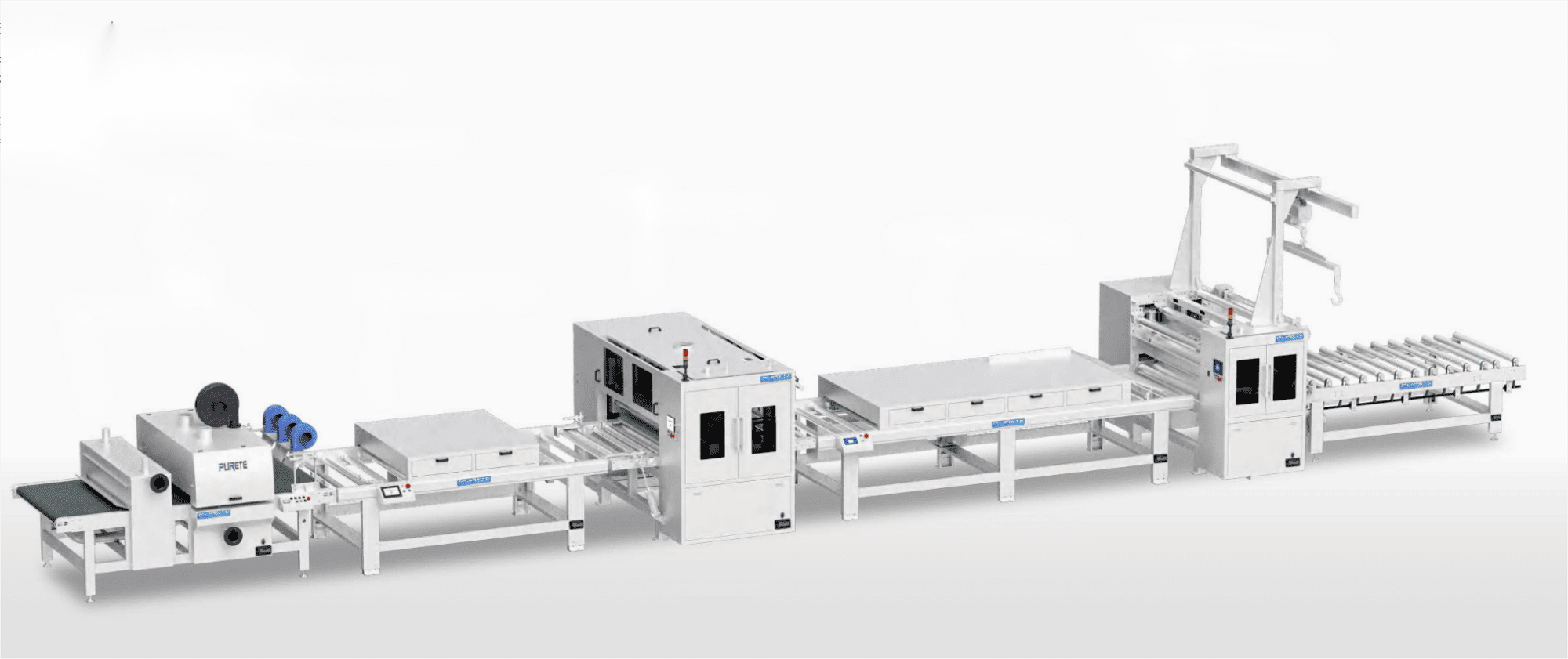
Context & Overview
Understanding the price of a coating machine is rarely as simple as checking a catalog or comparing two model numbers. In the industrial manufacturing sector, equipment pricing depends on far more than the base steel structure of the machine. The final financial investment is shaped by the specific machine type, working width, operational speed, automation level, curing method, and the degree of custom engineering required for your unique substrate.
For manufacturers, distributors, and procurement managers, this creates a common bottleneck: you need a budget estimate early in the planning phase, but reputable suppliers like Purete cannot provide a meaningful figure without first analyzing your production goals. This is not because pricing is intentionally hidden; it is because high-performance coating machines are configured as tailored application solutions rather than fixed consumer goods. By understanding the core technical factors that drive these costs, you can move beyond asking "how much does it cost" and start evaluating which configuration offers the most profitable long-term value for your factory.
Why Is It Difficult to Establish a Standardized Price for Coating Machines?
The most common frustration for industrial buyers is the absence of a universal price list. However, in the realm of industrial finishing, a fixed price is practically impossible because the equipment itself is never truly fixed. The cost is a direct reflection of your specific factory conditions, product dimensions, and output expectations.
The primary reason for this pricing variance is the significant variation in machine configuration. Even within the exact same category—such as a standard roller coater—one buyer may require a simple manual feeding structure, while another demands precision servo controls, automatic thickness adjustments, branded electrical components, and upgraded explosion-proof safety systems. These internal engineering choices drastically alter the manufacturing cost and the machine's long-term operational stability.
Furthermore, there are significant variations across different industries. Wood-based panels, decorative MDF boards, metal sheets, SPC flooring, and composite aerospace materials all require coating equipment, but their process demands are vastly different. A machine engineered for the high-speed, continuous output of SPC flooring requires heavier frames and different chemical handling capabilities than a machine designed for delicate, custom glass panels. The industry application dictates the engineering complexity, which in turn dictates the price.
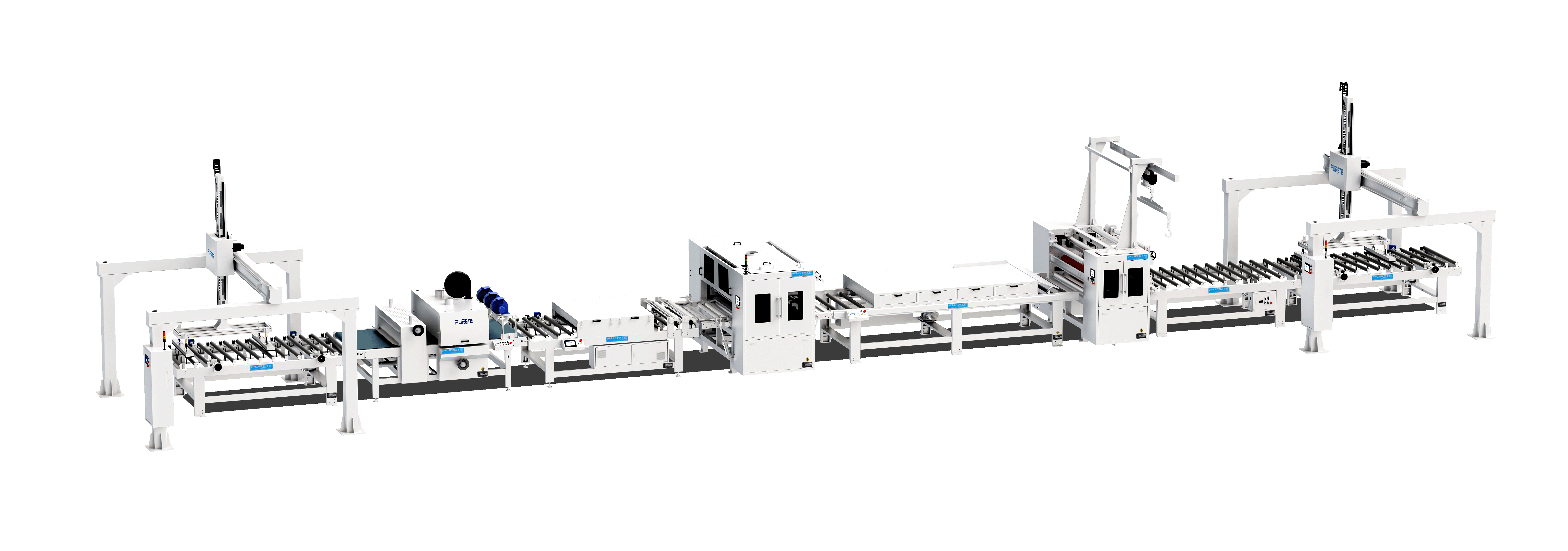
Finally, the significant differences between standalone machines and complete production lines make baseline comparisons highly misleading. A single standalone coater represents just one isolated step in a process. Conversely, a full coating line encompasses feeding, dust cleaning, pre-heating, coating, UV curing, conveying, and centralized PLC control systems. When buyers ask for a "coating machine price," they must clearly define their scope of supply, as the financial difference between a single unit and an integrated turnkey line is substantial.
What Are the Core Factors Influencing a Coating Machine's Price?
The final quotation you receive from a supplier is essentially a summation of specific technical capabilities. The price is driven by how the machine must perform under the stress of actual daily production, combining mechanical requirements with your expected output targets.
Machine Type and Application
The fundamental technology you select is the baseline of your cost. Roller coating machines, spray coating cabins, curtain coaters, and profile wrapping systemsall utilize entirely different mechanical structures and pricing logic. Even within one category, the price shifts depending on whether the machine is applying a heavy primer, a delicate topcoat, or a specialized adhesive. The physical architecture required to execute that specific fluid dynamic is the first major cost driver.
Working Width and Structural Integrity
The working width of the machine has a profound impact on the price because it dictates the physical scale of the entire system. A wider machine—designed for large-format boards—requires a significantly heavier frame, reinforced transmission structures, thicker coating rollers, and a wider drying section to prevent vibration and ensure uniform pressure. Width increases the complexity of material handling and process consistency, meaning wider machines carry a proportionally higher manufacturing and transportation cost.
Production Speed and Dynamic Balance
Production speed influences price in ways that are often underestimated by buyers. Achieving a higher line speed does not simply mean installing a larger motor. It requires superior dynamic balance, stronger structural rigidity, highly stable conveying mechanisms, and a curing section powerful enough to instantly dry the coating at high velocities. High-speed industrial coaters demand premium engineering tolerances, which naturally elevates the investment cost compared to lighter-duty alternatives.
Automation Level and Component Brands
The degree of automation is one of the most flexible and impactful pricing factors. A machine relying on manual adjustments and basic relays will have a highly attractive initial price. However, upgrading to a system with PLC integration, touchscreen recipe storage, automatic error correction, and line-wide synchronization requires sophisticated engineering. Furthermore, specifying top-tier international component brands—such as Siemens, Schneider, or Omron—will increase the upfront quote but provide unmatched stability, easier troubleshooting, and global spare parts availability.
Drying and Curing Systems
The method used to cure the applied finish strongly influences the final quotation. Depending on whether you are using water-based paints, solvent-based coatings, or 100% solid UV lacquers, your project may require hot air convection, infrared (IR) tunnels, or advanced LED UV curing systems. Each technology carries distinct equipment costs, spatial footprints, and energy consumption profiles, making the curing section a major variable in the overall price.
Material Compatibility and Customization
Different substrates behave differently under mechanical pressure and chemical application. A machine processing rigid SPC flooring requires different handling precision and roller hardness than one processing flexible veneers or porous MDF. When a machine must be customized to accommodate highly specific factory layouts, unique safety protocols, or proprietary coating chemicals, the engineering workload increases. This level of customization ensures perfect production harmony but moves the equipment away from standard catalog pricing.
How Does the Pricing Logic Differ Between Standalone Machines and Complete Lines?
When evaluating equipment budgets, it is critical to distinguish between purchasing an isolated piece of machinery and investing in an integrated manufacturing ecosystem. The pricing logic for these two scenarios reflects entirely different levels of engineering responsibility.
For a standalone coating machine, the pricing logic is highly localized. The cost is primarily determined by the physical bill of materials for that specific unit—its steel frame, rollers, motors, and immediate control panel. Buyers opting for standalone equipment usually have existing upstream and downstream processes and are simply replacing a bottleneck. The quotation is straightforward, reflecting the direct manufacturing cost of a single functional asset.
Conversely, the pricing logic for an integrated production line is systemic. The cost encompasses not only the individual coaters but also the critical connective tissue: the automated conveyors, the centralized PLC that synchronizes speeds across a 50-meter line, the electrical coordination, and the overall process engineering. In a full-line project, you are purchasing a guaranteed production outcome, not just metal. The price reflects a broader technical responsibility, extensive factory acceptance testing, and complex system integration.
| Evaluation Metric | Standalone Machine | Integrated Production Line |
|---|---|---|
| Primary Cost Basis | Physical materials and localized components | System engineering, synchronization, and total automation |
| Engineering Focus | Standardized function for a single process step | Customized layout and central control logic |
| Project Complexity | Low; simple plug-and-play installation | High; requires vendor technicians for commissioning |
Why "Cheap Equipment" Does Not Necessarily Save You Money in the Long Run
In industrial procurement, the lowest initial bid is often the most expensive option over a five-year horizon. Experienced buyers evaluate the Total Cost of Ownership (TCO) rather than just the upfront purchase price, as budget-tier equipment often hides severe operational penalties.
The most immediate hidden cost is escalating maintenance and failure rates. Lower-cost machines typically achieve their price point by utilizing generic bearings, thinner steel profiles, and inferior electrical components. This leads to premature wear, frequent part replacements, and devastating unplanned downtime. In a high-volume factory, the cost of a halted production line for just one day can easily erase the initial savings gained from buying a cheaper machine.
Furthermore, cheap equipment struggles with consistency and reliability. Premium machines maintain exact roller pressure and uniform coating weights hour after hour. In contrast, budget machines often suffer from micro-vibrations and thermal expansion, resulting in uneven finishes, color variations, and high scrap rates. Additionally, these machines usually lack automation, forcing you to absorb higher labor costs by dedicating skilled operators to constantly monitor, adjust, and clean the equipment.
What Information Should You Provide to Obtain an Accurate Quote?
To move past rough estimates and receive a precise, actionable quotation from a supplier, you must provide a clear, detailed picture of your production reality. The accuracy of the price you receive is directly proportional to the quality of the data you provide.
To ensure the engineering team configures the exact solution you need, prepare the following parameters:
- Product Type and Substrate: Specify exactly what you are coating (e.g., MDF, solid wood, aluminum, PVC). The material's porosity and surface tension dictate the required coating technology.
- Material Dimensions: Provide the maximum and minimum width, length, and thickness of your panels. This determines the physical scale and structural rigidity of the machine.
- Production Capacity Requirements: Clearly state your target line speed (meters per minute) or daily output goals. This drives the motor sizing, automation needs, and curing power.
- Target Process and Chemistry: Identify the coating material (UV, water-based, solvent) and the desired finish (high gloss, matte, primer). This dictates the fluid delivery and drying systems.
Installation Environment: Note your country's electrical voltage standards (e.g., 380V/50Hz vs. 480V/60Hz), factory space constraints, and required safety certifications (CE, UL).
What Is Actually Included in Your Coating Equipment Price?
When you receive a formal quotation, evaluating it based solely on the bottom-line figure is a critical mistake. You must decode the document to understand the exact scope of supply, as two identically priced quotes may offer vastly different levels of real-world value.
First, scrutinize the Shipping and Logistics terms. Ensure you know whether the price is Ex-Works (EXW), Free on Board (FOB), or Delivered Duty Paid (DDP), as international heavy machinery freight is a massive expense. Next, verify if Installation and Training are included. A premium quote often covers the cost of sending expert technicians to your facility to commission the line and train your staff, whereas budget quotes usually bill this separately at high daily rates.
Additionally, check for the inclusion of a Spare Parts Kit. Reputable suppliers will include a bundle of high-wear consumable items (like extra doctor blades and seals) to protect you from immediate downtime. Finally, review the Warranty terms meticulously. Understand whether the coverage includes both parts and labor, and note the duration differences between heavy mechanical structures and sensitive electronic components.
FAQ
1. Why is there no fixed price list for industrial coating machines?
Because industrial coating machines are highly customized capital goods configured around your specific product type, dimensions, process requirements, and factory conditions. The final price reflects project-specific engineering rather than a standardized consumer model.
2. What information is strictly necessary to obtain a reliable quotation?
At a minimum, suppliers need to know your substrate material, the maximum and minimum dimensions of your products, your target production speed, the specific coating chemistry you are using, and your local electrical voltage requirements.
3. Does a higher level of automation always translate to a higher ROI?
Not automatically, but usually yes for high-volume producers. While automation increases the initial capital expenditure, it drastically reduces long-term labor costs, minimizes human error, and ensures consistent product quality, which drives a faster ROI in scaled manufacturing environments.
4. Why can two coating machines with a similar appearance have very different prices?
The visible steel frame is only a fraction of the machine's value. Hidden differences in motor quality, PLC control systems, component brands (e.g., Siemens vs. generic), dynamic balancing, and internal safety protocols create major price disparities between seemingly identical machines.
5. What should buyers compare besides the quoted bottom-line price?
Smart buyers compare the total scope of supply. You must evaluate the included component brands, the specific drying/curing configuration, the comprehensiveness of the warranty, the inclusion of spare parts, and whether on-site installation and operator training are covered in the quoted price.
What Is the Principle of Auto Coating Machine?

Advantages of Short-Cycle Presses in Panel Processing
Application of Soft-Touch (Excimer) Coating in Furniture and Decorative Materials
Which Industries Benefit Most from PUR Laminating?
What Is the Principle of Roller Coating Machine?
How Does PUR Laminating Compare to Solvent-Based Lamination in Terms of Cost?
Global Surface Finishing Market Analysis and Development Trends


