

Why PUR Laminating Machines Are Essential for Advanced Surface Finishing
 November 19, 2025
 Hits:965second
As global demand for high-quality decorative surfaces continues to grow, manufacturers across the furniture, woodworking, and interior materials industries are upgrading their production lines with more advanced bonding technologies. Among these, PUR laminating machines—powered by reactive polyurethane hot melt adhesive (PUR glue)—have become a cornerstone for achieving superior surface bonding, long-term durability, and aesthetic precision.
Unlike traditional EVA hot melt systems, PUR laminating technology delivers stronger adhesion, moisture resistance, heat stability, and exceptional bonding performance for a wide range of substrates. For companies aiming to enhance product quality, improve production efficiency, and stay competitive in high-demand sectors, PUR laminators have become essential equipment.
This article takes an in-depth look at how PUR laminating machines work, the advantages of PUR bonding, key applications in modern manufacturing, and the factors to consider when choosing an efficient PUR laminating system. You will also learn why many manufacturers prefer reputable industry suppliers such as PURETE, known for providing reliable laminating and coating solutions for industrial production.
Understanding PUR Laminating Technology
What Is a PUR Laminating Machine?
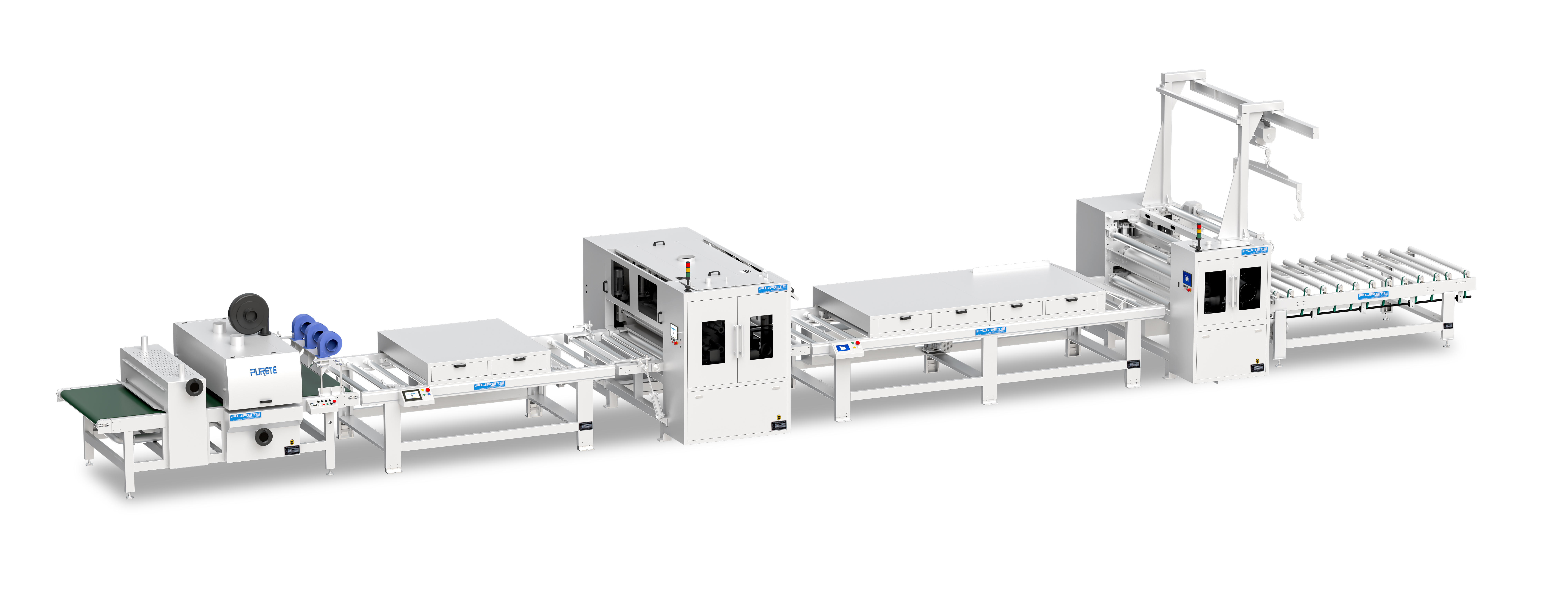
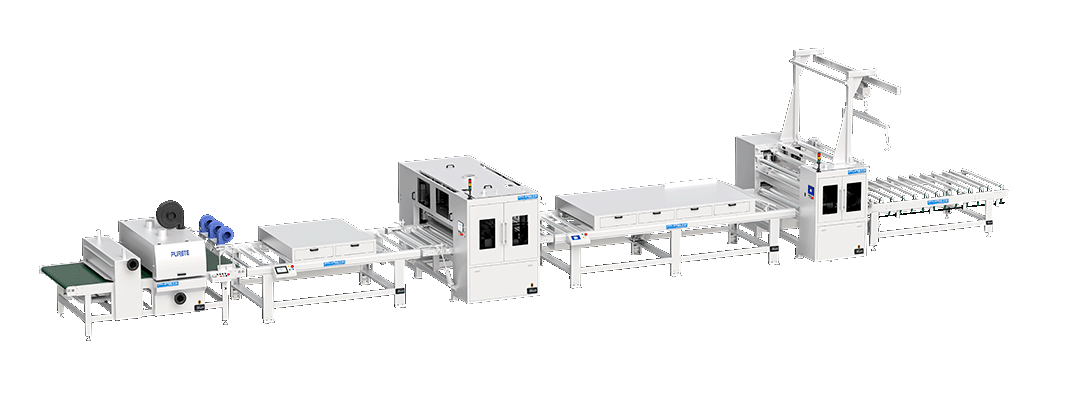
A PUR laminating machine is an industrial system designed to apply PUR reactive hot melt adhesive onto substrates such as MDF, particle board, plywood, PVC film, PET film, veneer, aluminum profiles, and composite materials. After application, the machine bonds decorative films or sheets onto the substrate under controlled pressure and temperature.
Key components typically include:
PUR melting unit / tankless melting system
Precision glue application head or roller system
Heating and temperature control system
Laminating press or roller press
Film unwinding and tension control unit
Cooling and trimming section
Intelligent PLC control system
What makes PUR laminating machines unique is the use of polyurethane reactive adhesive, which chemically reacts with ambient moisture to form a permanent, high-strength bond.
Key Process Features and Materials Used
PUR laminating technology supports a wide range of materials, including:
PVC decorative films
PET high-gloss films
Acrylic sheets
Veneer sheets
CPL and HPL laminates
Melamine paper
Aluminum foil film
Composite substrates
The process typically involves:
Heating the PUR adhesive to a liquid state for application.
Coating the substrate or film using a roller or slot nozzle.
Laminating the film onto the substrate with pressure rollers.
Bonding and curing, where PUR undergoes chemical cross-linking.
Cooling and trimming to complete the finished panel.
This reactive bonding structure ensures exceptional durability—one of the main reasons PUR laminators have become indispensable for advanced finishing lines.
Advantages of PUR Laminating Machines
1. Strong Adhesion and Durable Finish
PUR adhesive is known for its extremely high bonding strength, outperforming traditional EVA glue in almost every aspect. Key benefits include:
Long-lasting adhesion
Heat and moisture resistance
Excellent dimensional stability
No delamination, even under extreme conditions
Strong bonding with difficult substrates
This is why PUR is widely used in high-end furniture products, kitchen cabinets, interior decorative boards, and bathroom panels that must withstand temperature variations and humidity.
2. Compatibility with Various Materials
One of the biggest advantages of PUR laminating machines is their wide compatibility with diverse materials. Unlike conventional lamination processes that struggle with high-gloss film, PET, or composite panels, PUR supports:
High-gloss and super matte PET films
PVC lamination films
Wood veneer sheets
Metallic foils
Aluminum panels
Plastic components
Curved or complex-shaped surfaces (depending on machine design)
This flexibility allows manufacturers to expand their product portfolio and meet the growing demand for premium decorative surface solutions.
3. Reduced Production Time
PUR laminating machines are engineered for continuous, high-speed production, enabling manufacturers to achieve:
Faster bonding
Shorter processing cycles
Reduced drying time (PUR does not require extended curing)
Efficient heat transfer
Smooth integration into automated lines
Compared with solvent-based or cold-glue systems, PUR allows products to be processed immediately after lamination, significantly shortening lead times.
4. Superior Surface Quality and Visual Appearance
Because PUR is a high-performance adhesive, the resulting laminated panels achieve:
Flawless surface finish
No bubbling or peeling
Precise edging and wrapping
Minimal glue lines
High resistance to fingerprints (especially with matte PET films)
This level of quality is essential for manufacturers targeting high-end markets such as luxury furniture, premium doors, modern interior décor, and advanced commercial-grade panels.
Applications in Modern Manufacturing
1. Furniture Industry
In the global furniture industry, PUR laminating machines are used extensively for:
Cabinet panels
Doors
Wardrobes
Bathroom furniture
Office furniture
Wall shelves
Drawer fronts
High-gloss and matte PET films have become popular design trends, and PUR technology ensures the surface remains:
Scratch resistant
Moisture resistant
Smooth and defect-free
PUR lamination is essential for manufacturers producing premium-quality furniture for export markets.
2. Wood Panels and Laminates
Wood panel manufacturers increasingly rely on PUR laminating lines to produce:
MDF laminated boards
Particle board decorative panels
SPC/WPC surface lamination
Veneer composite boards
Acoustic wall panels
Decorative interior sheets
The flexibility of PUR adhesive allows panels to withstand temperature fluctuations, making them suitable for kitchens, bathrooms, and commercial interiors.
3. Interior Decoration and Wall Panels
Decorative wall panel production often involves difficult surfaces such as:
Textured films
Ultra-matte surfaces
Metallic or aluminum laminates
Special design PET films
PUR laminating machines help achieve consistent, high-quality finishes while ensuring long-term adhesion.
4. Door Manufacturing Lines
Interior and composite doors require:
Strong bonding
Warp resistance
Smooth decorative finishes
PUR lamination ensures durability and prevents film peeling—an essential factor in door quality.
5. Automotive and RV Components
Certain automotive interiors and RV furniture require lightweight composite panels and decorative laminates. PUR technology is ideal for these applications due to:
Strong bonding
Vibration resistance
Heat stability
This makes PUR laminators useful for specialized transportation and mobility production segments.
Choosing the Right PUR Laminating Machine for Your Production Line
Selecting a PUR laminating machine requires careful evaluation of production needs, materials, and quality requirements. Here are key factors to consider:
1. Machine Configuration and Capabilities
Evaluate whether the machine supports:
Required working width
Desired application methods (roller coating or slot nozzle)
Type of films (PVC, PET, veneer, CPL, aluminum foil)
Continuous or batch lamination
Required heating and temperature controls
Feeding and unwinding system stability
Integration with existing production lines
Advanced manufacturers offer modular solutions that allow businesses to expand production capacity without replacing the entire system.
2. Automation Level and Process Control
A high-quality PUR laminating machine should provide:
PLC automatic control
Precise temperature regulation
Automatic film tensioning
Real-time monitoring
Stable coating thickness
These features ensure consistent output and reduced operational risks.
3. Maintenance and Long-Term Reliability
Choose equipment designed for:
Easy cleaning
Glue-saving structures
Quick replacement of rollers
Durable components
Stable adhesive supply
Long-term machine lifespan
Well-known suppliers provide reliable after-sales service and technical support—critical for maintaining production stability.
4. Supplier Reputation and Industry Experience
When choosing a PUR laminating system, partnering with the right manufacturer is essential. This is why many companies prefer established brands such as PURETE, well known in the industry for:
Professional laminating and coating solutions
Reliable and stable industrial equipment
Well-developed product technology
Integration of complete production line systems
Strong reputation in woodworking and decorative material processing
PURETE's laminating solutions are recognized for quality and durability, making them a trusted partner for manufacturers upgrading to high-end laminating technology.
Conclusion
PUR laminating machines have become essential in advanced surface finishing due to their unmatched bonding strength, versatility, and efficiency. Whether used in the furniture industry, decorative panel production, or interior finishing materials, PUR technology delivers superior quality, reduces production time, and enhances product durability.
For manufacturers aiming to remain competitive, choosing the right PUR laminating system is a strategic decision that impacts long-term product performance and production stability. Working with reliable suppliers—such as PURETE, known in the market for providing high-standard laminating and coating equipment—ensures consistent output and dependable support.
As demand for modern, durable, and visually appealing surfaces continues to rise, PUR laminating machines will remain a critical technology for manufacturers looking to achieve premium-level finishing quality.
What Is the Principle of Auto Coating Machine?

Advantages of Short-Cycle Presses in Panel Processing
Application of Soft-Touch (Excimer) Coating in Furniture and Decorative Materials
Which Industries Benefit Most from PUR Laminating?
What Is the Principle of Roller Coating Machine?
How Does PUR Laminating Compare to Solvent-Based Lamination in Terms of Cost?
Global Surface Finishing Market Analysis and Development Trends


