
G4 Veneer Roller Coating Production Line for Decorative Panels
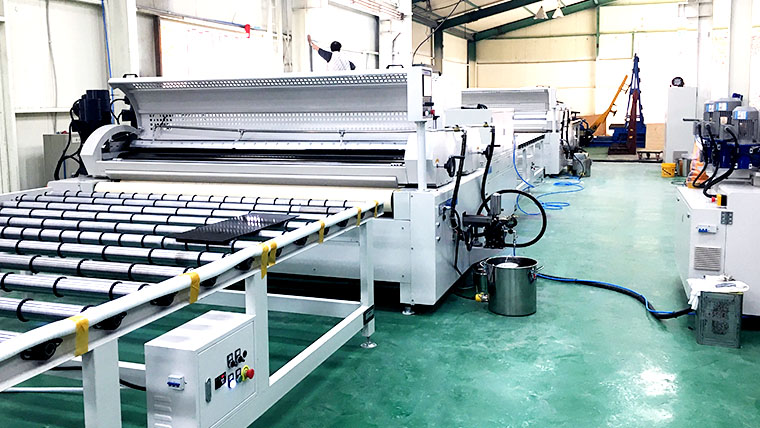
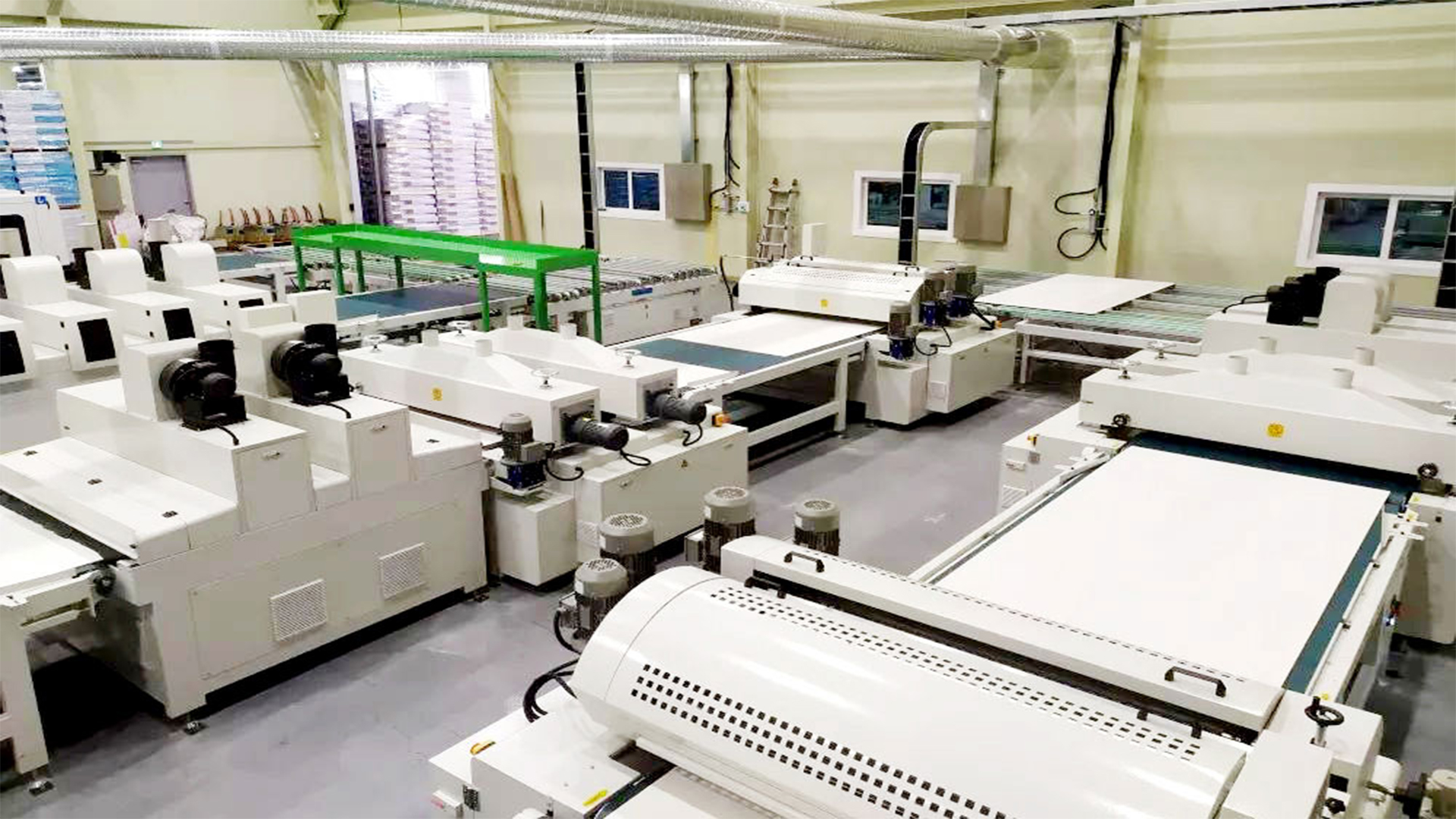
The G4 veneer roller coating production line is designed for industrial-scale production of high-quality decorative panels. Offering strong chemical resistance, long service life, and environmentally friendly antibacterial coatings, it supports ultra-thin veneers as thin as 0.2mm. This advanced system features a double-roller coater, dual 6-meter IR heating ovens, and a hot roller machine, ensuring precise and uniform coating application. Ideal for manufacturers seeking efficiency, consistent quality, and sustainable production, the G4 line delivers superior surface finishes while reducing labor costs and enhancing overall productivity.

VIDEO

木皮

PRODUCTION LINE DETAILS

木皮滚涂01
木皮滚涂02
木皮滚涂03
木皮滚涂04

FAQ

Frequently Asked Questions About UV Coating Lines

Q1: How Does a Roller Coating Machine Work?

A roller coating machine operates by transferring liquid paint or coating material evenly onto the surface of a workpiece through a controlled roller coating process.

During operation, the paint is poured between the feed roller and the coating roller. As the rollers rotate, the coating material is evenly distributed across the roller surfaces. The workpiece is then conveyed through the roller coating conveyor system, where the coating roller presses the paint onto the panel surface. This controlled pressure ensures uniform paint transfer, completing the panel surface coating process with consistent thickness and finish.

This working principle makes roller coating machines ideal for flat panel coating, decorative board finishing, and high-efficiency industrial coating applications.

Q2: How Many Types of Rollers Are Used in a Roller Coating Machine?

A roller coating machine typically consists of several types of rollers, each serving a specific function in the roll coating production line. These rollers can be categorized as follows:

Coating Rollers

Coating rollers are responsible for transferring paint or coating material onto the panel surface. Common types include:

  • Rubber rollers

  • Silicone rollers

  • Sponge rollers

  • Laser-engraved rollers

  • PU rollers

  • Soft rollers (extra-soft silicone rollers)

Different coating rollers are selected based on paint type, coating thickness, and surface finish requirements.

Drive Rollers

  • Driving rollers

  • Driven rollers

Drive rollers ensure stable material feeding and synchronized movement throughout the coating process.

Pressure Rollers

  • Pressure steel rollers (typically positioned directly beneath the coating roller)

Pressure rollers help maintain consistent contact pressure between the panel and the coating roller, ensuring uniform coating quality.

Q3: What Is the Minimum Thickness Achievable with a Roller Coating Machine?

The recommended minimum workpiece thickness for a roller coating machine is 5 mm.

While thinner materials may technically pass through the machine, doing so increases the risk of the coating roller pressing against the conveyor belt. This can cause paint contamination, uneven coating, and compromised surface aesthetics, ultimately affecting overall product quality and equipment cleanliness.

Q4: What Is the Maximum Width of a Roll Coating Production Line?

The standard working width range of a roll coating production line is:

  • Minimum width: 630 mm

  • Maximum width: 2550 mm

Custom coating widths can also be designed to meet specific panel size requirements, furniture production standards, or industrial coating needs.

Q5: Can Roller Coating Machines Be Used on Metal Substrates?

Yes, roller coating machines can be applied to certain metal substrates, such as:

  • Aluminum ceilings

  • Metal drums

For metal surface coating, proper surface pretreatment, paint selection, and roller configuration are essential to ensure optimal adhesion and coating performance.

Q6: Where Can Roller Coating Be Applied?

Roller coating technology is widely used across multiple industries for flat or semi-flat surface finishing, including:

  • Wood flooring

  • Cabinets and wardrobes

  • Wooden doors

  • Glass panels

  • Leather products

  • Picture frames

  • Coat hangers

  • Decorative grilles

  • Game console casings

These applications benefit from high coating efficiency, uniform surface finish, and reduced material waste.

Q7: What Is the Maximum Height for Roller Coating on Workpieces with Uneven Surfaces?

Under normal circumstances, roller coating is not recommended for workpieces with uneven or complex surface structures.

Uneven surfaces can:

  • Damage coating rollers

  • Prevent complete paint coverage

  • Result in inconsistent coating thickness

For workpieces with pronounced surface irregularities or complex 3D profiles, spray coating is typically the preferred solution, as it provides better coverage and protects the roller coating equipment from premature wear.

Contact Us

fill in our contact form.

We will get in touch with you as soon as possible.

×
Leave a message